

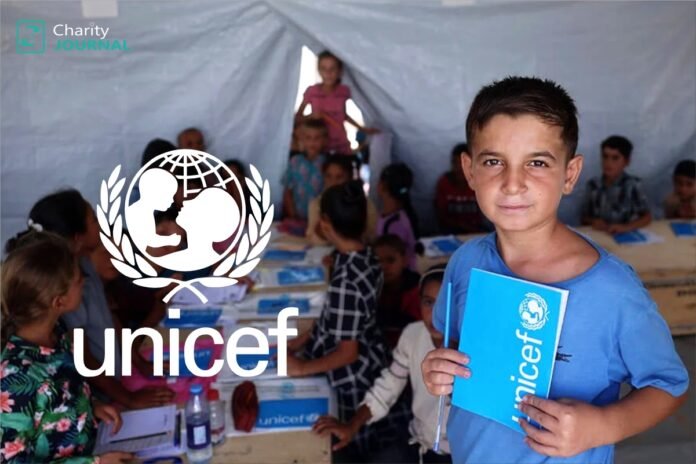

Two years of conflict has left many children in Gaza without basic learning materials, deepening fears of long term educational loss. UNICEF says learning kits will reach 350,000 children, marking a rare educational intervention after prolonged access restrictions.
Children in Gaza Receive Emergency Learning Support
UNICEF confirmed that the learning kits include notebooks, pencils, basic textbooks, and recreational materials designed to support learning. The agency said the kits are intended to help children restart education in shelters and temporary learning spaces.
According to UNICEF, Gaza’s education system is on the edge after repeated damage to schools and long periods of closure. Many classrooms are destroyed or converted into shelters, leaving children with nowhere to learn.
“Children in Gaza have been deprived of their right to learn for far too long, and these kits are a critical first step to restoring some sense of normalcy,” said a UNICEF spokesman.
UNICEF has been at the forefront of helping people in distressed communities. Some weeks ago, they called for the protection of children amidst ongoing unrest in Iran.
Teachers and education volunteers will use the kits to run basic lessons. Despite aid cuts from the USA, UNICEF adopts cost-cutting measures that help it provide learning materials for children in conflicted-affected areas.
Education System Near Collapse After Prolonged War
Reports from humanitarian agencies show that Gaza’s education infrastructure was damaged during the conflict. Most schools are affected either by destruction, displacement, or lack of essential supplies.
The BBC reported that many families are prioritising survival needs over schooling. Experts warn that overlooking education could be counterproductive in the long run.
Meanwhile, UNICEF notes that learning kits alone are not enough to rebuild the education structure in the country. They believe that adequate funding and trained educators will help the affected communities.
The agency highlights the mental health toll the children experienced during these conflicts. Learning activities remain necessary for cognitive support and numerical skills in emergencies.
International partners are calling for uninterrupted humanitarian access to allow easy distribution of education supplies. UNICEF said continued restrictions could affect the limited progress made so far.
Meanwhile, a Kuwait-based charity has launched a water project in Gaza to help citizens. This shows that people of Gaza are receiving help from many humanitarian organisations to make their lives better despite the crisis.