
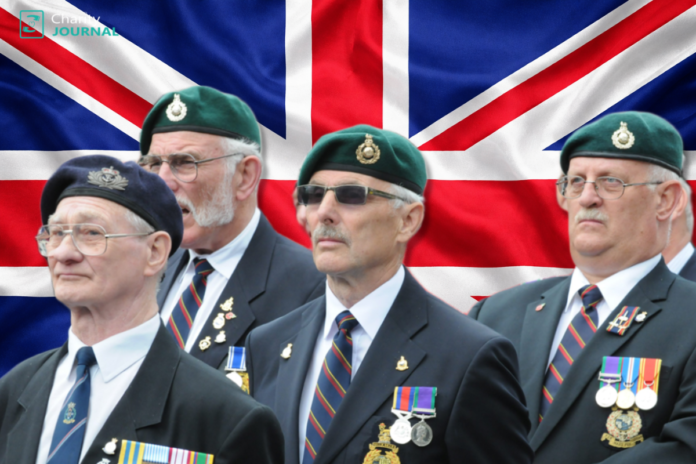

The UK government has initiated its Valour programme that will see some veterans’ charities receive up to £1m. The initiative will give veterans easier access to benefits.
Veterans’ charities to receive up to £1m via Valour programme
About 14 veteran charities in the UK will receive up to £1m to develop the services that they provide. This scheme is part of the £50m UK government Valour programme.
The UK Ministry of Defence (MoD) facilitates the Valour programme. The Ministry of Defence said the programme will give ex-service personnel easier access to health, housing, and employment.
Among the charities that will benefit from this programme is The East Durham Veterans Trust in Seaham. The trust focuses on veterans and is already looking towards expanding to Hartlepool.
Additionally, the Trust connects veterans to health professionals. This helps veterans access routine blood pressure checks and advice.
Andy Cammiss, the founder of the trust, said the funding will support the trust’s move to a larger location. The trust would be moving to a larger location in Murton later this year. It is also developing a new facility in Hartlepool.
“We’re going to be hitting new areas that we’ve never hit before. With our partners and their locations around the region, from Newcastle down to Catterick, we are going to be able to get out and support veterans in more isolated locations,” Andy Cammiss said.
Furthermore, the Ministry of Defence said the programme will work to share data and form better connections between local charities, councils, and service providers.
Veteran programmes providing important support for ex-service personnel
A veteran, Tommy Barnes, who visits the Seaham centre, said it was important for veteran centres to exist. He felt there was nothing for veterans.
The army dishonourably discharged Tommy Barnes because of substance abuse, but was given another chance after accessing support at the trust. He said the trust was helping him and other veterans by providing somewhere to go.
Similarly, David Cope from Dawdon has been visiting the centre every Friday for counselling. He suffers from post-traumatic stress disorder (PTSD) after serving in the British Army between 1989 and 1997.
“I got very angry; I don’t get as angry anymore. I know if I need to talk to somebody, there’s somebody here to talk to, with people who’ve gone through similar things,” he said.