

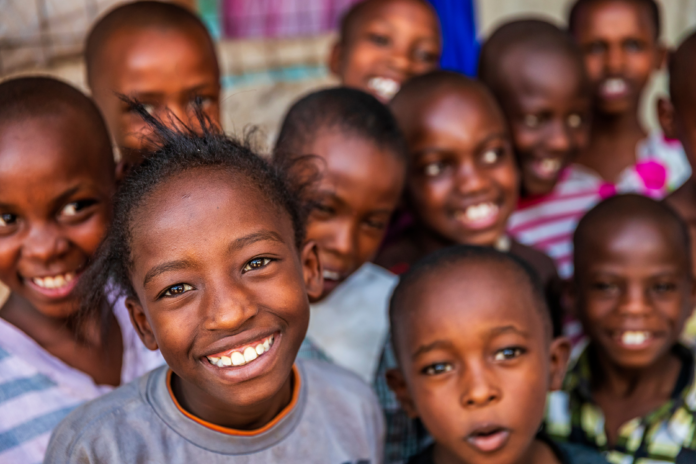

Millions of children worldwide have lost one or both parents, facing significant challenges such as disrupted education, food insecurity, and social exclusion. In Africa, these vulnerabilities are particularly acute, making the role of tharities that help orphans in Africa vital.
These organizations provide essential support that help orphaned children build safer, more stable lives.
How Charities That Help Orphans In Africa Respond to Child Vulnerability
While some of the charities that help orphans in Africa focus on keeping children within families or community settings, others focus on education access, healthcare services and youth empowerment. These organisations operate using varied but evidence-based approaches.
The organisations listed below represent a range of established models used.
1. Zoe Empowers
Zoe Empowers works with orphaned and vulnerable youth across African coutries like Malawi, Rwanda, Uganda, and Kenya. In addition to operating orphanages, it delivers a three-year, youth-led empowerment programme focused on life skills, vocational training, and income. Since 2007, Zoe empowers reports supporting over 231,000 people, with more than 95% achieving self-sufficiency at programme completion.
2. Coptic Orphans
Founded in 1988, Coptic Orphans supports vulnerable children in Egypt, many of whom have lost a parent. The organisation focuses on education within family settings, helping children remain with relatives rather than entering institutions. It has supported over 100,000 children through church- and community-based volunteer networks.
3. Hands for an African Child
Hands for an African Child operates in Uganda using a family-home model where orphaned children live with foster parents in permanent households. The approach integrates education, farming, clean water access, and skills development to support long-term stability and self-reliance.
4. Friends of AIDS Orphans in Africa (FADOA)
FADOA supports children orphaned by HIV/AIDS in rural and conflict-affected areas of Cameroon and Kenya. Its work includes school support, caregiver training, psychosocial care, and legal protection, delivered through local community-based organisations.
5. African Orphans Foundation
The African Orphans Foundation provides education and basic needs support to orphaned girls in countries such as Tanzania, Ethiopia, Kenya, and Uganda. It works through local guardians and sponsors, prioritising academic potential and family-based care.
6. Starfish Greathearts Foundation
Operating in South Africa, the Starfish Greathearts Foundation supports orphaned and vulnerable children through four pillars: nutrition, education, healthcare, and social welfare. Its programmes include mobile clinics, early childhood education, and social worker outreach in remote communities.
7. Watoto Child Care Ministries
Based in Uganda and South Sudan, Watoto Child Care Ministries runs village communities where orphaned children live in family homes led by trained caregivers. The villages provide education, healthcare, and community infrastructure for children affected by war and disease
8. Uganda AIDS Orphan Children Foundation (UAOCF)
UAOCF supports AIDS-orphaned children in southwestern Uganda through long-term education sponsorship, healthcare access, and daily needs assistance. The organisation follows children from primary school through vocational or university education.
9. Miracle Foundation
The Miracle Foundation works globally, including in Africa, to reduce reliance on orphanages by strengthening families and foster systems. Its programmes focus on child separation prevention, family reunification, and social workforce training.
10. SOS Children’s Villages Africa
SOS Children’s Villages operates across more than 40 African countries, providing family-based care, education, healthcare, and youth support services. The organisation prioritises keeping siblings together and supporting young people into adulthood.
Source: SOS Children’s Villages
Charities that help orphans in Africa address child vulnerability through diverse but complementary models, including family-based care, education access, health services, and youth empowerment. Understanding how these organisations operate provides insight into the evolving global response to orphanhood and child welfare.