
In the post-industrial landscape of the American Rust Belt, a new and complex “Workforce Gap” has emerged. Despite a surge in local manufacturing in the US, thousands of high-paying roles in cities like Cleveland and Indianapolis remain unfilled.
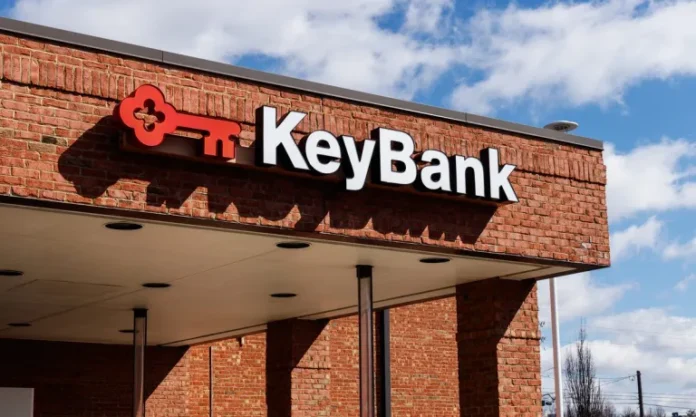
A closer look at the issue reveals that the trend stems from a collapse in the “Success Pipeline” for marginalized and underserved communities. Keenly aware of the gap in the workforce, KeyBank is now leading the charge to engineer a “resync” of the Rust Belt through a massive $40 billion Community Benefits Plan and a raft of grant programs.
The last mile challenge
Recent economic data indicate that the Great Lakes and Mid-Atlantic regions of the US are undergoing a skills gap. While a four-year college degree was considered to be the fastest pathway to middle-class status, recent studies show that shorter-term certification programs also offer a reliable route to financial stability.
However, low-to-moderate-income (LMI) individuals face a steep climb in accessing and completing shorter-term certifications. Dubbed the “Last Mile” problem, a lack of financial coaching, childcare, and transportation poses major obstacles, preventing students from earning certifications.
To help students reach the perceived low-hanging fruit of shorter-term certifications, KeyBank is adopting a multi-faceted approach. Rather than relying only on capital deployment to underserved communities, the US banking giant is laser-focused on three metrics: Graduation, Certification, and Employment Retention.
The Cleveland Case Study: A Chance To Advance
Nowhere is this strategy more visible than in KeyBank’s own backyard. In July 2025, the KeyBank Foundation invested $1.5 million into four Cleveland-area nonprofits, with a significant slice going to Towards Employment Incorporated.
Specifically, KeyBank’s injection bolstered Towards Employment’s A Chance to Advance program. The initiative targets over 4,000 residents, focusing on formerly incarcerated individuals.
A glance at the program revealed a priority for skill development in high-demand sectors like construction and health. Furthermore, KeyBank’s investment in Towards Employment supports the removal of systemic barriers to employment while offering financial literacy assistance.
“KeyBank, a long-term workforce partner, has provided an investment that lets us deepen Towards Employment’s career pathway services with additional behavioral health, financial literacy, and career coaching support,” said Jill Rizika, CEO of Towards Employment.
At the time, Rizika stated KeyBank’s investment will lead to a 20% increase in earnings for participants over two years, citing the successes of the regional bank’s previous donations.
Bridging the digital divide
KeyBank is also betting that the future of the Rust Belt’s workforce must be inclusive to be sustainable. The US bank is shifting its gaze beyond filling manual labor roles to empowering minority and underrepresented youth as future leaders in the tech and AI sectors.
A $750,000 investment in Case Western Reserve University back in 2021 signaled the bank’s stance in bridging the digital divide. Last year’s investment in the Vivian von Gruenigen, MD STEM Center of Excellence is expected to provide age-appropriate learning experiences in engineering, robotics, and computer science.
In September 2025, KeyBank inked a partnership with Ohio State football star Jeremiah Smith to promote a social-first campaign to increase financial literacy metrics in the region. Pundits say the move will reach new demographics, preparing Ohio’s youth with foundational financial literacy skills ahead of their entry into the workforce.
KeyBank: The CRA gold standard
Since 2015, KeyBank has deployed over $54 billion in community lending and investments. Treating social impact like a core business vertical, the bank racked up a 12-year streak of “Outstanding” Community Reinvestment Act (CRA) ratings, an unparalleled feat among its peers.
“Our long record of ‘Outstanding’ CRA rating is a testament to our enduring commitment to being both a responsible bank and responsible citizen,” said KeyBank CEO Chris Gorman.
The 200-year-old bank has invested over $900 million in tax credits and provided $7.5 billion in loans to support affordable housing. Furthermore, KeyBank is opting for an Expression of Interest model for its 2026 grants, inviting smaller and more agile nonprofits to the table, ensuring that funds reach the grassroots where the workforce gap is most acute.