

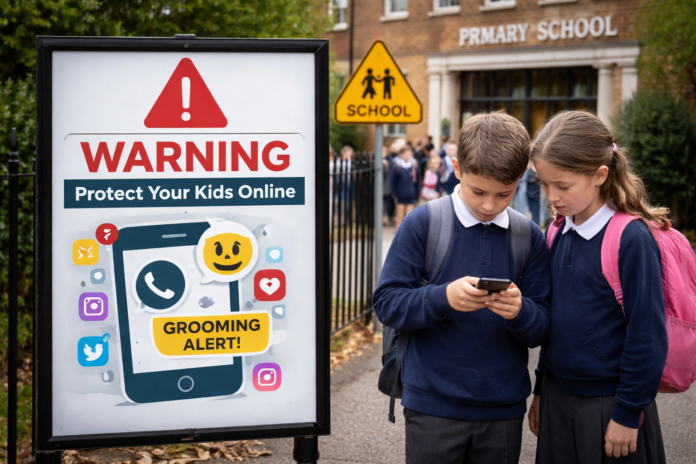

The Molly Rose Foundation (MRF) has issued a public warning about online networks known as the com that target vulnerable children for sexual abuse, self-harm, and suicide. The UK-based charity released the alert following publication of a comprehensive report detailing the scale and nature of these threats.
Molly Rose Foundation highlights dangers of the Com
MRF and trust and safety intelligence group Resolver described the Com as an online ecosystem that preys on children’s vulnerabilities. Members of the network use gaming platforms, messaging apps, livestreams, and social networks to target victims.
“The growing threat posed by Com networks is the most chilling and urgent threat to children online today and it requires a swift and comprehensive response,” said Andy Burrows, chief executive of the Molly Rose Foundation. “These groups prey on children’s vulnerabilities to coerce and groom girls on gaming and messaging platforms, inflicting appalling harm and cruelty including acts of self-harm, livestreamed abuse or even suicide.”
The report found that teenagers and young adults from the US, Europe, Russia, and Brazil largely make up the network. Members of the network pursue sexual exploitation, cyberbullying, violent extremism, and hacking activities.
In addition, perpetrators frequently subject female victims to sexual abuse. While male victims often face psychological harm and are encouraged to self-harm.
These networks operate without formal structures, ideologies, or recruitment processes. Groups such as Scattered Spider have carried out high-profile hacking incidents targeting British retailers.
Understanding the threat from Com networks
Resolver’s intelligence briefing, Weaponised Loneliness, is a public analysis of Com networks that highlights that children at heightened vulnerability are particularly targeted. Some victims are coerced into committing acts of violence or encouraged to perpetuate abuse themselves.
“We will use every power we have to hunt down the perpetrators, shut these disgusting networks down, and protect every child at risk,” said Jess Phillips, the UK’s minister for safeguarding and violence against women and girls.
MRF called for a coordinated global response from governments, regulators, law enforcement, and technology companies. It recommends treating online self-harm and suicide-related activity with the same policing priority as child sexual abuse.
The charity also urged the UK Government to expand the Online Safety Act and strengthen Ofcom’s powers to intervene against Com networks. This highlights the need for robust regulation similar to recent warnings issued to Church of England dioceses over safeguarding breaches.
Children’s charities and online safety experts have repeatedly warned about the growing risks of digital exploitation facing vulnerable young people. Concerns have centred on the need for stronger safeguarding measures and coordinated responses to prevent harm facilitated through online platforms.
Com networks are divided into three categories: Sadism Com, Terror Com, and Finance Com. These networks target sexual exploitation and abuse, promote far-right and nihilistic ideologies, and hacking and financial crimes, respectively.
Furthermore, members seek influence and notoriety within these online clout-based communities, sometimes inflicting harm within hours of initial contact.