

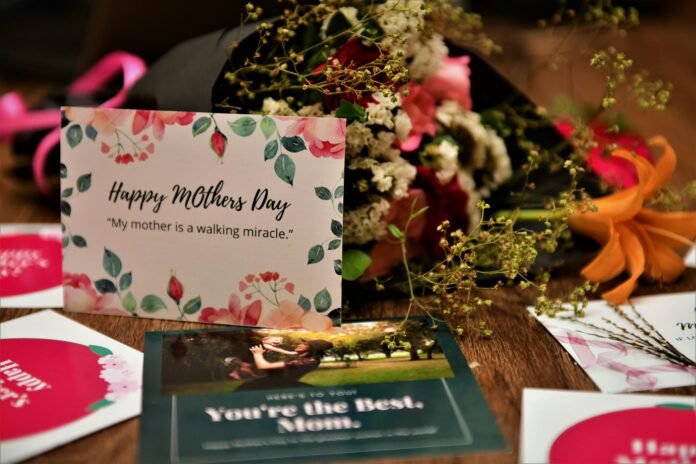

A leading Birmingham Christian charity that supports parents battling prenatal and postnatal depression has launched an emergency Mother’s Day campaign. It warns that a significant funding shortfall could leave vulnerable women without access to life-saving care.
Christian charity faces £150k shortfall amid rising demand for perinatal support
Acacia Family Support unveiled its ‘Motherhood – Not What You Expected?‘ appeal, revealing it faces a £150,000 budget gap. This is after losing a substantial portion of its NHS funding alongside declining donations and grant income.
The charity was established in 2003 by Emma Borg and Rachel Gregory, two mothers who experienced perinatal mental health issues. It now supports hundreds of parents across Birmingham each year.
However, leaders fear that without financial intervention, mothers experiencing pregnancy-related psychological distress may be unable to access early help.
Acacia’s acting director, Becky Douglas-Jones, said the campaign aims to challenge the idealised portrayals of motherhood. This is often showcased online and during public celebrations, particularly as Mother’s Day approaches on 30 March.
“Mother’s Day is framed as a joyful celebration, but the reality is different for many women. One in four mothers experience anxiety, depression, or other serious mental health problems during pregnancy or after birth. When they see images of other people’s perfect Mother’s Day, it amplifies the guilt, shame and inadequacy they feel because they’re struggling to bond with their baby,” Ms Douglas-Jones explained.
Mother credits Acacia with saving her life
As part of the campaign, five short videos are being shared across social media platforms in the run-up to Mother’s Day. Each features a mother who has received support from Acacia, sharing personal accounts of isolation, anxiety, and suicidal thoughts.
Vicki Hook, the charity’s head of fundraising, stressed that early intervention remains critical.
“Birmingham has the second-highest number of instances of perinatal mental health conditions in the country. If we can’t replace these funds, many mothers won’t receive that preventative service when prompt treatment is so essential,”she said.
Vicki added that the first 1,001 days of a child’s life, from conception to age two, are pivotal for development. She explained that children of parents who experience mental health issues at this stage are more likely to struggle with their own social development.
Emma Elmas, a mother of three from Cofton Hackett, credits the charity with saving her life. Ms. Elmas explained that she began self-harming as a way of regaining control during her struggle with motherhood.
She also revealed that she had contemplated suicide, stressing that her thoughts were not born out of a lack of love for her children. The mother also noted that such feelings were not something she could share with her husband or mother.
Additionally, Ms. Elmas stated unequivocally that without the charity’s intervention, she would not be alive today. Also, her children would have grown up without a mother, a debt she says she can never fully repay.
Acacia works alongside NHS services, receiving referrals for mothers requiring more immediate or specialised support than public healthcare alone can provide. Its services include one-to-one sessions, group programmes, and a crèche facility, enabling parents to attend appointments while their children are cared for.
Ms Douglas-Jones emphasised that the charity provides a safe, non-judgemental environment where women can speak openly without fear.
Meanwhile, Charity Commission for England and Wales CEO David Holdsworth has hailed Britain’s religious charities for a streak of raising money for noble causes.