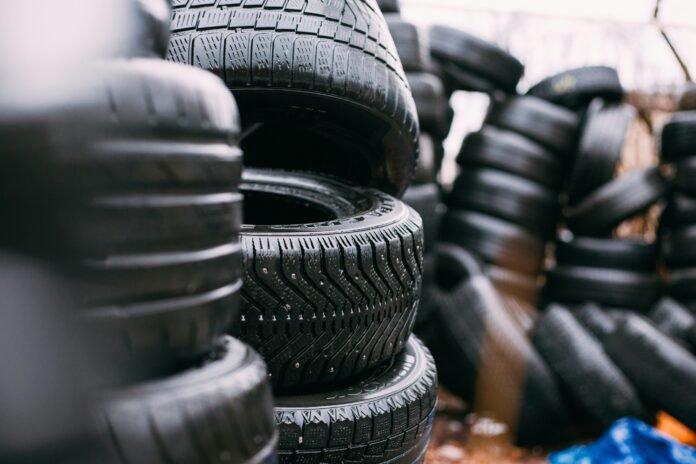

The Scrap Tire Cleanup Grants 2026 from EGLE are designed to help communities clean up scrap tire piles that pose environmental and health risks. These grants support efforts to remove abandoned or improperly stored tires that can harm land, water, and public safety.
By funding cleanup projects, the program helps communities reduce fire hazards, prevent pest infestations, and restore polluted sites to safer, cleaner conditions.
About the EGLE Scrap Tire Cleanup Grants
This program is offered by the Michigan Department of Environment, Great Lakes, and Energy (EGLE). It focuses on supporting cleanup projects that target large or problematic scrap tire piles across the state.
The goal is to protect both the environment and public health by addressing sites where tires have been illegally dumped or left unmanaged. These cleanups also help improve local surroundings and make communities safer and healthier.
Funding Size
-
Funding amount: Varies depending on the project
-
Maximum award: Not specified
-
Project duration supported: Not specified
Who Can Apply
Eligible organisation types
-
Local governments
-
County or municipal agencies
-
Public entities responsible for environmental or waste management
Read Also:Disability Rights Fund 2026 – Apply Now
Registration or legal documents
-
Proof of eligibility as a government or public entity
-
A clear project proposal
-
Details about the cleanup site
Project focus requirements
-
Removal of scrap tire piles
-
Safe disposal or recycling of tires
-
Cleanup and restoration of affected land
-
Efforts to reduce environmental and health risks
Read Also: MSD UK Grants Programme 2026 – Apply Now
Geographic eligibility
-
Projects must be located in the State of Michigan, United States
Sector or thematic focus
-
Environmental cleanup
-
Waste management
-
Public health and safety
-
Pollution prevention
Application Process
-
Identify a qualifying scrap tire site that needs cleanup
-
Prepare a detailed cleanup plan
-
Submit your application through the EGLE system
-
Include all required supporting documents
Required Materials
-
Project proposal
-
Site details and location information
-
Cost estimates for the cleanup
-
Proof that the applicant is eligible
Key Dates
-
Application Deadline: March 31, 2026
Selection Notes
-
Priority is given to sites that pose the greatest environmental or health risks
-
Strong applications clearly show how the cleanup will benefit the community
-
Projects that demonstrate meaningful environmental impact are more likely to be selected