

Italian food brand Barilla has reiterated its commitment to sustainable practices, increasing the size of its investment in recycling and responsible water management. The move comes on the heels of the Global Recycling Day and World Water Day, with several organizations making similar commitments.
Barilla crosses key sustainability milestones, eyes larger improvements
According to a press release, Barilla is increasing the size of its bets toward sustainability in 2026. Right off the bat, the Italy-based company has its sights on recyclable packaging and reducing its water consumption across production processes.
To achieve its ambitious water targets, Barilla has adopted an Environmental Management System in line with the UNI EN ISO 14001 standard, designed to assist organizations in reducing their environmental impact.
In addition to the standard, Barilla has integrated steady Life Cycle Assessments (LCA) of its progress, paying particular attention to the Water Scarcity Index. Meanwhile, each of Barilla’s production sites is setting independent targets to reduce water consumption, with the Rubbiano plant in Parma earning impressive milestones.
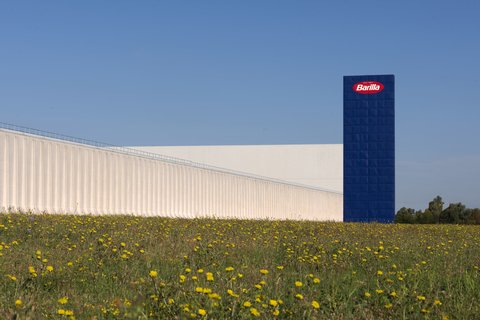
On the occasion of World Water Day, Barilla committed to investing over €5 million in the coming months in its Rubbiano plant. The commitment will extend to Barilla’s suppliers in the agri-food supply chain, urging them to adopt farming practices to prioritize water efficiency.
Despite rising global investment, billions of people still lack access to safe water. This year’s World Water Day focuses on the link between access to water and gender equality, drawing wide participation from several international organizations.
Recyclable packages underscore Barilla’s stance
Meanwhile, Barilla has racked up a streak of wins from its previous investments in recycling. At the moment, a staggering 99.8% of the packaging of Barilla’s products is designed to be recyclable.
Not resting on its laurels, the Italian food giant unveiled ambitious plans to remove as much as 4,000 tons of packaging material from the market by the end of the decade. The company is leaning on the redesign of its packaging in an attempt to achieve the feat.
A closer look at the sourcing of its packaging materials underscores the company’s stance on sustainability best practices. For instance, the Barilla Blue Box, the iconic signature cardboard packaging for Barilla’s line of pasta, is made with virgin fiber cardboard sourced from sustainably managed forests.
Furthermore, the use of low-odor inks reiterates the recyclability of the Ble Box within the paper recycling stream. This comes amid a surge in carton recycling access globally, with nonprofits pledging to educate consumers.
With innovation at the heart of Barilla’s operation, the company recently opened its $25 million innovation center. Experts say the center will spearhead the organization’s push for sustainable best practices in packaging and other internal operations.