

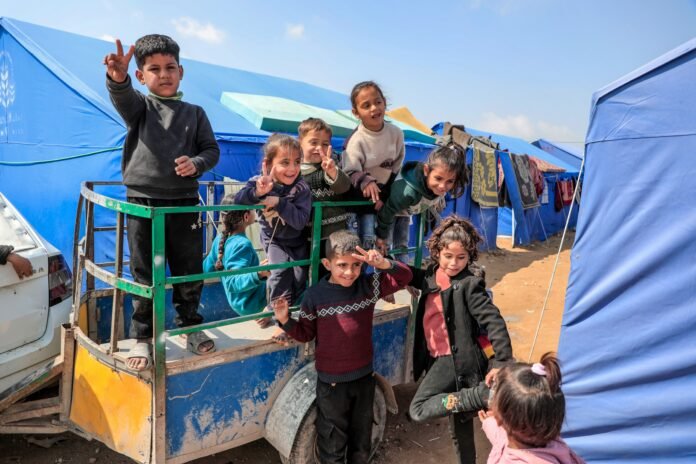

The Secretary-General of the Norwegian Refugee Council, Jan Egeland, has said that recovery remains out of reach for civilians in Gaza. This is despite the six-month ceasefire agreed to by Israel and Palestine.
Recovery remains far off in Gaza despite the six-month ceasefire agreement
The NRC Secretary-General, Jan Egeland, has, in an official statement, said that authorities continue to restrict aid in Gaza despite the now six-month ceasefire. According to his statement, the needs of the civilians outweigh the size of the aid that is being allowed into the region.
Egeland, in an X post, also noted that civilians in Gaza remained trapped in devastating conditions. He said Israeli strikes continue, humanitarian access is severely constrained, and families remain exposed to hazards.
Six months into the ceasefire, civilians in Gaza remain trapped in devastating conditions:
· Israeli strikes have continued to kill and injure civilians, destroy homes, and erode any sense of safety
· Humanitarian access remains severely constrained
· Families remain in…
— Jan Egeland (@NRC_Egeland) April 10, 2026
In the statement published on April 10, Egeland noted that the Gaza ceasefire was in name only. Recovery remained far-off for the region.
According to his statement, aid deliveries still fall short of agreed levels, with far too little aid arriving to meet basic needs. Humanitarian access remains severely constrained.
In early 2026, the Israeli government barred about 37 major international aid organisations from operating in Gaza despite the pressing need for aid. The Israeli government required these groups to share Palestinian staff’s sensitive personal data for vetting before they could be allowed to function.
Similarly, Israeli authorities demolished UNRWA’s headquarters in Jerusalem after banning the organisation in late 2024. Aid workers have also suffered severe casualties in the region, limiting their activities.
Moreover, Egeland also criticised the speed of restoring infrastructure. He said they are not treated as operational questions but tied to political negotiations over Gaza.
Some charities still manage to get aid to civilians
Despite the circumstances hampering the provision of aid to Gaza, some charities still manage to provide humanitarian support. Though not sufficient for the whole region, these supplies are making a difference.
The World Central Kitchen, just before Ramadan, shared 100,000 food kits with Gaza citizens. These kits delivered 7 million meals to residents throughout the Ramadan period.
Similarly, earlier this year, UNICEF provided 350,000 children with learning materials after a two-year blockade. Severe damage to infrastructure necessitated UNICEF’s intervention to provide the educational supplies.