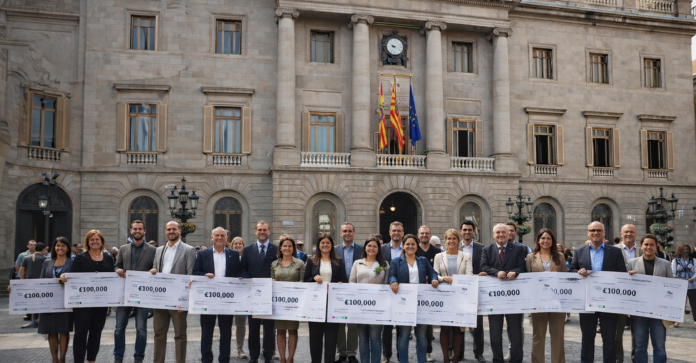
Each project will receive up to 80% of research costs, capped at €150,000 per project. In total, the initiative will distribute €2 million to support applied research in Barcelona.
According to Barcelona City Council, the programme seeks to strengthen collaboration across sectors.
“This call reinforces Barcelona’s commitment to research that responds directly to urban and social challenges,” said a Barcelona City Council representative.
The initiative forms part of the Strategic Science and Innovation Plan 2024–2027.
That plan supports scientific careers and reinforces Barcelona’s position in European research.
Similar public-interest research funding models have appeared in humanitarian and development reporting. Charity Journal has previously examined how solar-powered clean water projects supported vulnerable communities through international development programmes.
Project Scope And Focus Areas
Several projects address climate resilience, including urban blue spaces and heat vulnerability among older residents. Others focus on sustainable infrastructure, such as smart energy-efficient windows and climate-adaptive tree management.
Health research features prominently, including studies on Alzheimer’s biomarkers and dementia determinants in Barcelona. Additional projects examine depression relapse prevention, persistent covid support, and rapid pathogen diagnosis.
Water sustainability also remains a priority through research on the safe reuse of greywater in Barcelona. The project will inform future public health and environmental policies on urban water management.
Digital innovation underpins multiple studies using artificial intelligence and digital health platforms. These tools aim to improve service delivery, diagnosis speed, and urban logistics efficiency.
The programme encourages partnerships between universities, hospitals, research institutes, and third-sector organisations. It also supports knowledge transfer into Barcelona’s social and economic fabric.
Previous Charity Journal reporting has highlighted the importance of science-led responses during crises, including emergency food distribution and clean energy access.
The Barcelona initiative reflects a similar emphasis on evidence-based solutions for complex urban challenges.