
Energy Corps has announced support for a new initiative to promote access to modern cooking solutions across Africa. Dubbed the Clean Cooking Accelerator Initiative, the program will raise awareness of the dangers of cooking with unhealthy fuel sources while providing policy support to governments.
Energy Corps supports the initiative with $500,000
According to a press release, Energy Corps has confirmed its role as a founding contributor to the Clean Cooking Accelerator Initiative with a $500,000 donation. The Initiative is a collaboration between Clean Cooking Alliance, The Rockefeller Foundation, and the Global Energy Alliance for People and Planet.
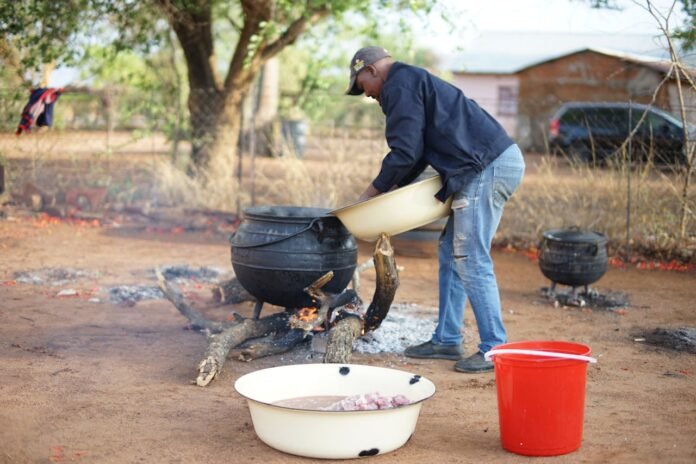
Energy Corps’ backing of the Initiative hinges on the dire state of cooking fuels in Africa, with the US Department of Energy branding it “an urgent energy challenge”. At the moment, almost a billion people on the continent rely on unhealthy fuel sources to cook their meals, sparking health and environmental concerns.
“Energy access creates opportunity when it can scale,” said Energy Corps founder Toby Rice, “Clean cooking is a fast way to deliver dignity, health, and economic opportunity.
With the funding, the Clean Cooking Accelerator Initiative will adopt a two-phased approach. The first phase will involve providing support for Clean Coolking Fellows to support African governments, while aligning policy to advance the adoption of modern energy sources.
Pledging to raise even more funding
Per the statement, the second phase of the initiative will revolve around raising more funding to scale clean cooking energy adoption in Africa. Furthermore, there are ambitious plans to create Clean Cooking Delivery Units to support “bankability” while expanding distribution supply chains.
Apart from the initial $500,000, Energy Corps disclosed that it will raise additional funds by mobilizing private sector resources to the Initiative.
“This Initiative is a demonstration of how we operate,” said Tisha Schuller, Head of Energy Corps. “We partner to mobilize private-sector resources to deliver on-the-ground experts with an emphasis on pragmatic execution and durable success.”
Previously, Energy Corps has provided funding for local organizations providing clean energy solutions across Africa. Recipients of the support include IEA Ghana, Burundi’s Gigawatt Impact, and Kenya’s EED Research.
This is not the first time global organizations have attempted to scale clean cooking in Africa. The World Bank has previously funded LPG and electric cooking, while the World Health Organization has advocated for health-driven clean cooking policies.