

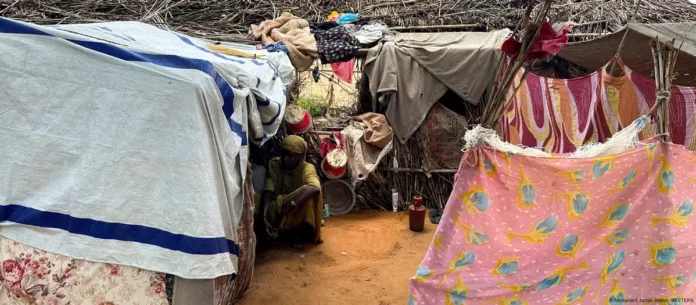

Thousands of displaced Sudanese gather daily at a World Food Programme distribution site in Daba Naira camp in North Darfur, Sudan. They have no access to income, and with few functioning markets, cash holds little value.
UN relief chief confronted with desperate question as global system buckles
According to reports, UN relief chief Tom Fletcher visited Malakal, South Sudan, in mid-February. It was reported that communities asked him a question about whether help is coming.
The global humanitarian system is buckling under unprecedented strain. Conflicts intensify, climate shocks grow more frequent and severe, and economic pressures deepen across fragile contexts.
Just as life-saving assistance needs to scale up, a new threat tightens its grip. Disruptions linked to instability around the Strait of Hormuz and the wider Middle East crisis have driven sharp energy price increases across Africa and beyond.
“In some places, fuel remains available but IS increasingly unaffordable. In humanitarian terms, that constitutes a shortage.”
Displaced Sudanese: Soaring fuel costs cut off food across Africa
Rising fuel prices now pose a direct threat to humanitarian response. The impact has already emerged as operational reach shrinks, deliveries stall, and food and health crises worsen.
Meanwhile, fuel is no longer just one of many operational expenses. Its availability and affordability now determine whether aid reaches people at all.
Additionally, fuel underpins every aspect of humanitarian work. It powers food deliveries, hospital generators, vaccine cold chains, and aircraft that connect communities cut off by conflict or floods.
As prices rise, humanitarian organisations reduce field movements, ground vehicles, delay distributions, and scale back operations. These are not minor adjustments but fundamental constraints on access.
However, fuel price spikes of up to 150 per cent in some markets are cutting people off from essential services such as water and healthcare. It also simultaneously disrupts agricultural production in several hunger hotspots across Africa.
Recently, South Sudanese fighters lured civilians with aid promise, killing over a dozen at a village in Jonglei State. The government-allied fighters tricked them from their homes with the promise of humanitarian food aid.