

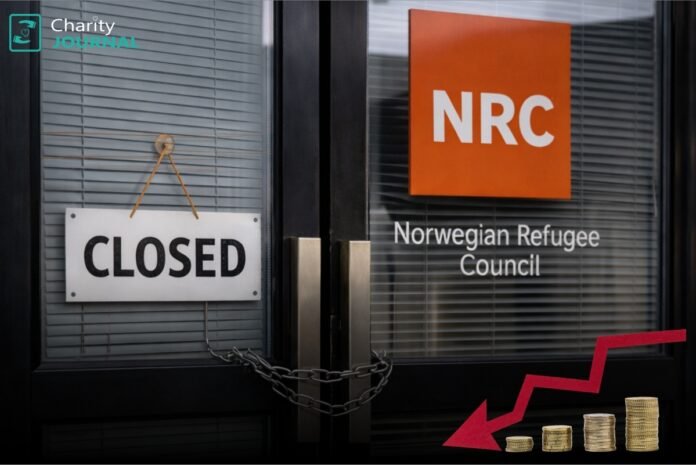

The Norwegian Refugee Council (NRC) has closed its operations in Guatemala due to funding issues. This shutdown affects programs helping displaced people, migrants, and vulnerable communities facing violence.
Norwegian Refugee Council Closes Operations in Guatemala due to Funding Shortage
The Norwegian Refugee Council confirmed the decision after months of failed efforts to get donors. The organisation began operations in Guatemala in 2022, offering essential services to those in need.
Findings show more than one million people across Guatemala need food, shelter, and clean water. However, funding has fallen far short of the required amounts.
“Humanitarian needs in Guatemala have received little attention from the international community, leaving many families exposed to violence and displacement,” said NRC country director for North of Central America and Mexico, Giorgio Lentini.
Meanwhile, NRC is offering humanitarian efforts in Northern Syria due to renewed conflicts. With limited funding, it is hoped they won’t pull out of this country.
Before closing its offices, NRC offers legal assistance, education support, and protection services to displaced people. The organization also worked with local partners to strengthen community-based responses.
In all their humanitarian efforts, women, children, and elderly individuals were prioritised. This can be seen when the NRC called for immediate action to protect children in Ukraine amidst the ongoing conflict.
Closure Raises Concerns for Displaced People and Local Partners
Local humanitarian organizations have warned that the NRC’s exit will put more pressure on already-strained services. Shelters and community groups supporting migrants and displaced families will face higher demand with fewer resources available.
Lorena Gómez, a project manager with a local migrant shelter, said the closure will have immediate consequences. “People in situations of forced mobility continue to arrive, and the loss of NRC support makes our work much harder,” she said.
Humanitarian actors also expressed concern about reduced coordination following the shutdown. The absence of an international protection agency may limit access to services in remote and high-risk areas.
Sucely Donis, NRC’s protection coordinator in Guatemala, said the impact goes beyond one organization. “With the closure, actions aimed at protecting vulnerable populations and supporting local partners have been significantly reduced,” she said.
Guatemala remains a key transit route for migrants traveling north, making humanitarian assistance difficult. As one of the top charities providing disaster relief around the world, its exit from the country will be felt.
NRC officials stated that the closure shows the challenges facing humanitarian operations worldwide. They warned that without renewed international commitment and funding, vulnerable communities in Guatemala will face safety issues.