

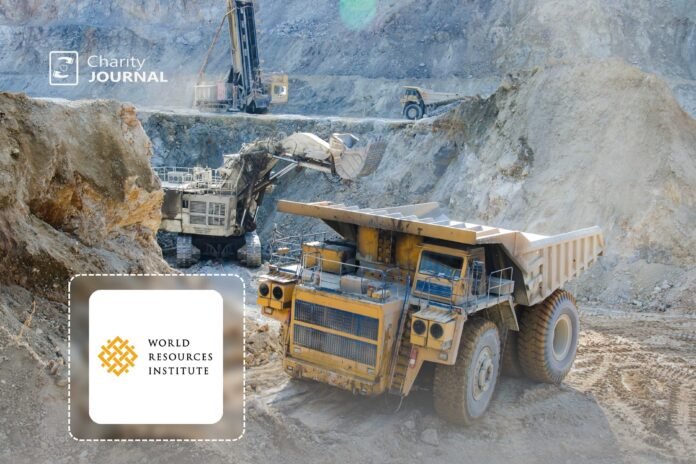

In a push for responsible mining, the World Resources Institute (WRI) has urged U.S. mining companies to prioritise local communities. WRI made a strong case for benefits-sharing agreements, stronger regulations, and third-party sustainability frameworks. This move comes amid widespread opposition and longstanding harm caused by extractive projects in many local communities and tribal nations in the U.S.
Put Communities First, Says World Resources Institute
The WRI has called on mining companies to address the historical harm caused by extractive projects. The Institute cited deep distrust and opposition from local communities and tribal nations across the U.S.
Per the official statement, the Institute emphasized the need for mining practices that bring tangible benefits to communities, rather than perpetuating environmental and social damage.
“For many local communities and Tribal nations in the U.S., mining projects bring deep distrust and widespread opposition. And historically, the extractive practice has done more harm than good,” said the World Research Institute.
Institute Outlines Strategies for Responsible Mining
To reshape mining-community relations, the World Research Institute, through its X account, shared a framework outlining three responsible mining strategies. According to the WRI, these strategies aim to deliver benefits to local communities impacted by mining operations.
For many local communities and Tribal nations in the U.S., mining projects bring deep distrust and widespread opposition. And historically, the extractive practice has done more harm than good.
But this can change. Here’s how👇
🔗 https://t.co/MmFSXN5d5e pic.twitter.com/FZie4lfyYq
— World Resources Institute (@WorldResources) January 13, 2026
The first strategy focuses on benefits-sharing agreements. This includes community benefits agreements, good neighbor agreements, and Tribal benefit agreements. These voluntary but legally binding mechanisms between project developers and local communities ensure that mining projects deliver real results and give communities the power to hold developers accountable. They are designed to make mining an opportunity for residents, rather than a source of harm.
WRI also calls for stronger regulations to give communities a meaningful seat at the table. While state permits already require public notice and comment periods, new measures can give residents formal leverage to negotiate mitigation plans and ensure local impacts are addressed.
Finally, the institute recommends third-party sustainability frameworks. This framework will set high standards for environmental and social performance while also promoting transparency, independent verification, and proactive engagement with tribal and vulnerable stakeholders.
Read also: HALO, Trafigura Foundation Launch 3-Year Partnership To Clear Landmines in Angola
U.S mining projects have historically faced tension with local communities due to limited engagement, mistrust, environmental damage, and a lack of accountability.
Many residents have borne the brunt of mining activities while the benefits flow elsewhere. This is why extractive practices have been received with widespread opposition, even as demand for critical minerals continues to rise.