In the humid, bustling corridors of Nigeria’s public clinics, there is a brewing access crisis. It is the sound of hundreds of patients waiting for hours to see a doctor who, according to national data, is likely one of the few remaining in a system where the physician-to-patient ratio has stretched to a breaking point of 1:5,000.

While the country seeks a traditional solution in the form of more brick-and-mortar hospitals, a more nimble revolution is gathering steam in the pockets of thousands of Nigerians. Koyo Healthtech, a digital health technology company, has come to terms with the fundamental truth that you cannot build hospitals fast enough to save a population, but you can digitize the path to the ones you have.
The cost of confusion
Emerging studies indicate that the greatest threat to the health of Nigerians is a yawning information gap. Traditional healthcare often ends the moment a patient walks out the clinic door with a confusing prescription and a hurried explanation, typically a symptom of an already strained sector.
This gap is where the Social Return on Investment (SROI) of Koyo Healthtech begins to take shape. By positioning itself as a complementary navigation layer, Koyo Healthtech attacks the “Medical Poverty Trap.”
A significant slice of Nigerians mismanage chronic conditions given the absence of follow-up clarity. Left unchecked, a hospital admission threatens to wipe out family savings. Koyo Healthtech’s expert advisor model provides the Information ROI to keep families stable, acting as a preventive shield against the seven-figure cost of a preventable medical emergency.
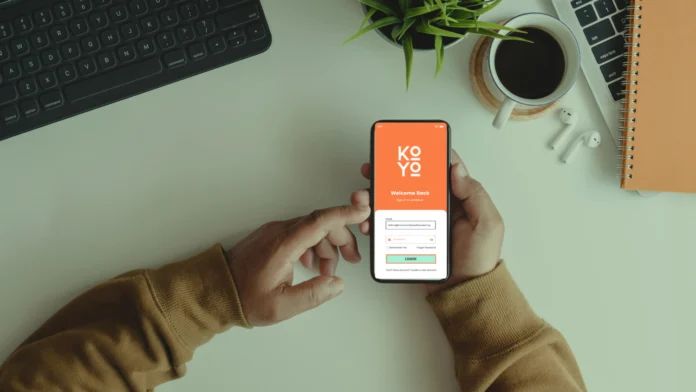
With as low as N2,000 (US$1.4), Nigerians can access instant medical consultations within minutes with licensed doctors on the mobile app. Outside of one-off consultations, Koyo truly shines in managing chronic conditions like diabetes and hypertension with its low-cost mobile app functionalities.
Koyo HealthTech: Triage as economic patriotism
In sub-Saharan Africa, human capital is the primary engine of growth. When workers spend an entire day navigating traffic and clinic queues for a non-emergency issue, the national GDP takes a hit.
To solve the issue of the Lost Day, Koyo Healthtech acts as a systemic filter, providing real-time medical clarity. Right off the bat, users can decide if a hospital visit is necessary, saving countless manhours.
For the 25 million Nigerians living with disabilities, a group Koyo Healthtech has specifically prioritized through its partnership with the House of Representatives, this triage is more than a convenience.
For every unnecessary clinic visit avoided, a worker stays at their post, a mother stays with her children, and the economy stays in motion.
The leapfrog of the patient-consumer
The final piece of the SROI puzzle is the transformation of the Nigerian patient froma passive recipient to an empowered consumer. While Koyo Healthtech does not perform lab work, it provides the literacy for individuals to understand it.
By translating a static lab report into actionable data, Koyo allows a patient to be a partner in their own care, increasing the “throughput” of the Nigerian medical system. A doctor who can spend five minutes confirming a well-informed plan instead of twenty minutes explaining basic terms can see four times as many patients.
An intelligent medical library on the mobile app provides patients with information from a pool of trusted medical sources. With national literacy rates at around 70% in Nigeria, the Koyo model offers a masterclass in high-yield social impact, bridging the gap between the overwhelmed hospital and the isolated patient.