

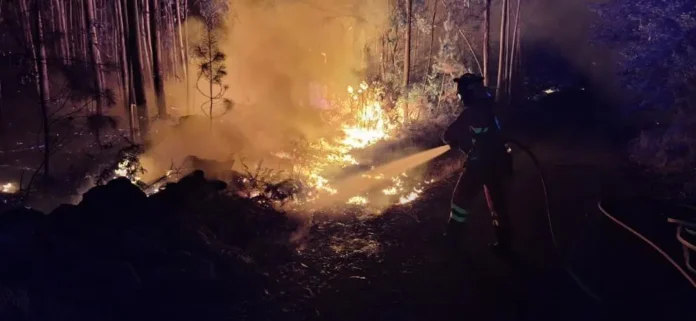

Wildfires tore through Spain, Portugal, France and Greece this week, burning more than 190 square kilometres of land and forcing thousands of residents from their homes. The EU activated its civil protection mechanism to coordinate an emergency response as temperatures across the region climbed toward 40 degrees Celsius.
How wildfires in Spain and Portugal triggered EU emergency action
Portugal activated the EU Civil Protection Mechanism on July 3 after a major blaze erupted in the Vouzela area of central Portugal. Within hours, 118 firefighters and 45 vehicles arrived from Spain, alongside three rescEU firefighting aircraft from Italy and Spain.
🇪🇸 Spain struggles with the second extreme heat wave of the summer as temperatures reach up to 43°C and wildfires burn thousands of hectares
🔥 Burned forest area exceeds 55,128 hectares, with fires affecting Catalonia the most as nearly 6,000 people are urged to stay indoors ⤵️ pic.twitter.com/BEf70GHIRq
— Anadolu English (@anadoluagency) July 9, 2026
By Sunday, more than 1,200 firefighters, 400 vehicles and 15 aircraft were working to contain a fire that had scorched 12,000 hectares. France activated the same mechanism on July 5 as a separate blaze near Perpignan forced more than 10,000 residents to evacuate.
“As Portugal and France face an extreme wildfire threat during this severe heatwave, every minute matters,” said EU Commissioner for Preparedness and Crisis Management Hadja Lahbib.
The Commission deployed four rescEU aircraft from Sweden and Cyprus to support French crews battling what officials called a gigantic fire in a remote, hard-to-reach area. In Greece, a blaze near the Oraiokastro suburb of Thessaloniki forced evacuations across three suburbs and a facility housing 157 people with disabilities. Authorities warned residents to stay indoors and shut their windows due to toxic smoke. In northeastern Spain, a fire in the Girona region burned nearly 2,200 hectares along the Costa Brava coast, with the Catalan Fire Service warning that rising temperatures and multiple hotspots would make containment difficult.
Record deployment tests Europe’s humanitarian readiness
The fires struck as the EU was running its largest ever wildfire response operation. A total of 777 firefighters from 14 European countries had been pre-positioned across high-risk areas in Cyprus, Greece, Italy, France, Spain and Portugal since July 1, supported by 22 firefighting aircraft and five helicopters on standby. The scale of that deployment reflects how wildfire seasons are growing longer and more destructive, a trend that organizations providing disaster relief globally have had to adapt their frameworks to address.
The blazes followed a June heatwave that scientists from the World Weather Attribution group described as virtually impossible without climate change, and which registered thousands of excess deaths across Europe. The EU presented a new integrated wildfire risk management strategy in March 2026, covering prevention, preparedness, response and recovery. For communities directly in the fire zones, the Red Cross and Red Crescent network remains a key source of emergency shelter, first aid and evacuation assistance on the ground.