
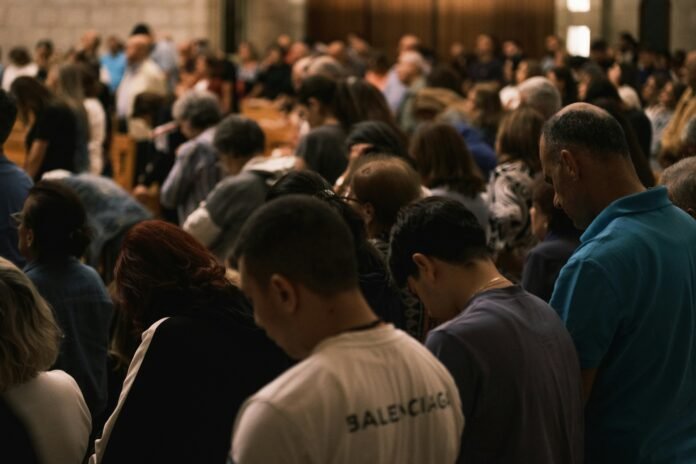
Volunteers from St. Thomas More Parish in Narrangansett have provided critical aid and community support following Hurricane Melissa in Jamaica. The team assisted residents with infrastructure repairs, recreational activities, and essential services to complement national recovery efforts.
Hurricane Melissa relief efforts
Missionary teams travelled to Jacob’s Ladder at the invitation of Mustard Seed Communities Apostolates to support the hurricane recovery. Rhode Island reported that volunteers completed renovations, installed a new clothesline system, and repainted facilities to improve living conditions.
Volunteers also organised community events, including movie nights, bingo, and a “special Olympics” competition, aiming to restore normalcy among residents.
“Our team sought to support both physical and emotional recovery,” said Father James O’Donnell, Parish Priest, St. Thomas More Parish. “These activities help strengthen community bonds and resilience.”
Three months after Hurricane Melissa made landfall on October 28, 2025, Jamaica’s health system continues to recover from the Category 5 storm. Ian Stein, Pan American Health Organisation/World Health Organisation (PAHO/WHO) country representative in Jamaica, highlighted the ongoing scale of destruction and recovery efforts.
Stein said seventeen emergency medical teams, including 12 international teams, were deployed to support healthcare needs and integrate the national health system. He added that coordination between international teams and local authorities improved patient outcomes and strengthened public health response.
Volunteers’ contributions addressed urgent facility needs at Jacob’s Ladder while complementing national and international relief initiatives. They worked alongside local caregivers, providing essential labor, logistical support, and community engagement to aid recovery.
Hurricane Melissa’s impact
Recovery efforts in Jamaica remain extensive due to Hurricane Melissa’s severity. Many hospitals and primary health centers experienced major damage, including structural collapse, roof loss, and limited operational capacity.
PAHO/WHO emphasizes climate-resilient health systems to reduce future disaster impact. Strengthened facilities, reinforced disease surveillance, and sustainable supply chains are critical to maintaining healthcare services during extreme weather.
Stein noted that Jamaica applied lessons from the COVID-19 pandemic by prioritising early collaboration and evidence-based decision-making to strengthen long-term resilience. Volunteers from St. Thomas More illustrate how community-based initiatives can support large-scale recovery while reinforcing social and infrastructure resilience.
Their work complements efforts by organizations such as World Central Kitchen, which continues to support communities recovering from Hurricane Melissa.
Hurricane Melissa’s recovery highlights the importance of international coordination, local partnerships, and volunteer engagement. Projects like Jacob’s Ladder showcase tangible outcomes in disaster-affected communities and provide a model for future humanitarian interventions.