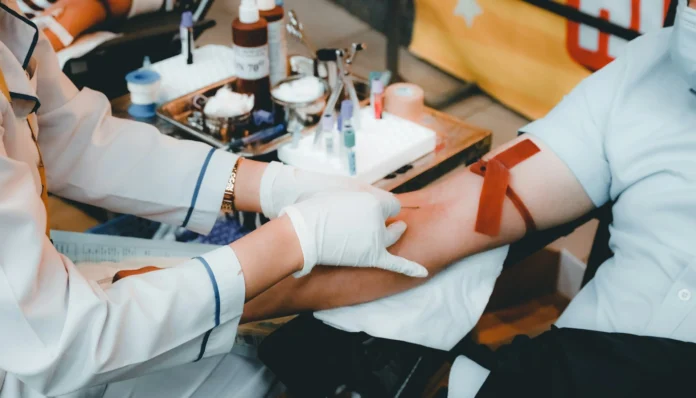

The World Health Organization has partnered with K-pop group ENHYPEN to encourage blood donations as part of this year’s World Blood Donor Day campaign. Health officials warn that many countries still struggle to maintain adequate blood supplies despite more than 120 million donations being collected worldwide each year.
WHO turns to global pop stars to reach new donors
World Blood Donor Day is observed annually on June 14 to thank voluntary blood donors and raise awareness about the ongoing need for safe blood and blood products. This year’s theme, “One Drop of Humanity. Give Blood. Save Lives.,” places solidarity and compassion at the center of blood donation efforts.
WHO Director-General Tedros Adhanom Ghebreyesus promoted the campaign on social media, where the organization highlighted its collaboration with ENHYPEN in an effort to reach younger audiences and encourage more people to donate blood.
One blood donation can save up to three lives. This #WorldBloodDonorDay, @WHO is joining forces with our @ENHYPEN friends in recognising the life-saving impact blood donors around the world have — thank you! #GiveBlood #ENHYPEN
— Tedros Adhanom Ghebreyesus (@DrTedros) June 14, 2026
The campaign emphasizes that every donation can help save up to three lives. Additionally, WHO says voluntary, unpaid donors remain the safest source of blood for patients requiring transfusions.
The organization has also launched a global “Drop Your Drop” initiative that allows supporters to pledge to donate blood and join a worldwide awareness campaign. Furthermore, the initiative seeks to build momentum for regular blood donation rather than one-time participation.
Blood shortages persist despite rising donations
Although global blood collection has improved over the past decade, WHO says access to safe blood remains uneven across many parts of the world.
More than 120 million blood donations are collected annually worldwide. However, most low-income and lower-middle-income countries still fall short of the recommended donation rate needed to meet national demand. WHO estimates that between 1% and 2% of a country’s population should donate blood to maintain an adequate supply.
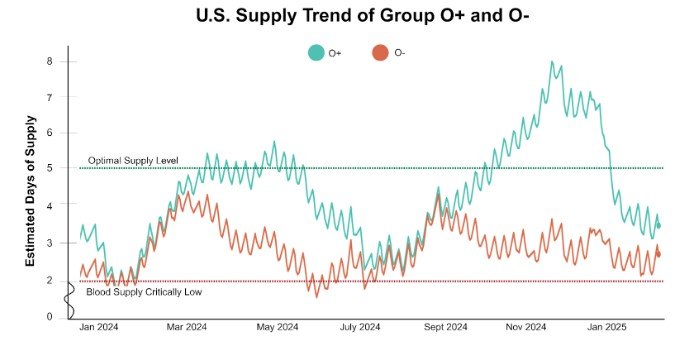
Consequently, hospitals in many countries continue to face shortages that affect emergency care, childbirth complications, surgeries, cancer treatment, severe anemia cases, and the treatment of chronic conditions. Back in February, the American Red Cross began giving $20 to blood donors amid a severe national shortage in the US.
WHO noted that while advances in testing and blood safety have made transfusions safer than ever, blood itself cannot be manufactured and depends entirely on people willing to donate regularly. As a result, health systems remain vulnerable when donor participation declines or fails to keep pace with demand.
The organization’s objectives for this year’s campaign include increasing regular voluntary blood donation, raising awareness of the impact of blood and plasma donations, and encouraging governments to invest more heavily in national blood programs.
Humanitarian leaders highlight lifesaving impact on World Blood Donor Day
The humanitarian community also used World Blood Donor Day to recognize the role donors play during emergencies and disasters.
Jagan Chapagain, secretary general of the International Federation of Red Cross and Red Crescent Societies, thanked voluntary donors and highlighted the importance of maintaining reliable blood supplies during crises, when demand often increases suddenly.
One Drop of Humanity. Give Blood. Save Lives.
On World Blood Donor Day, we are reminded that one of the most powerful acts of humanity can begin with a single donation. One blood donation can save up to three lives, and behind each donation is a person choosing to help someone… pic.twitter.com/LqGUHV1rUM
— Jagan Chapagain (@jagan_chapagain) June 14, 2026
The European Parliament also thanked blood donors while noting that 25 million units of blood are used annually for transfusions in the EU. Across the globe, events are now underway to encourage voluntary blood donations, highlighting its significant humanitarian impact.