

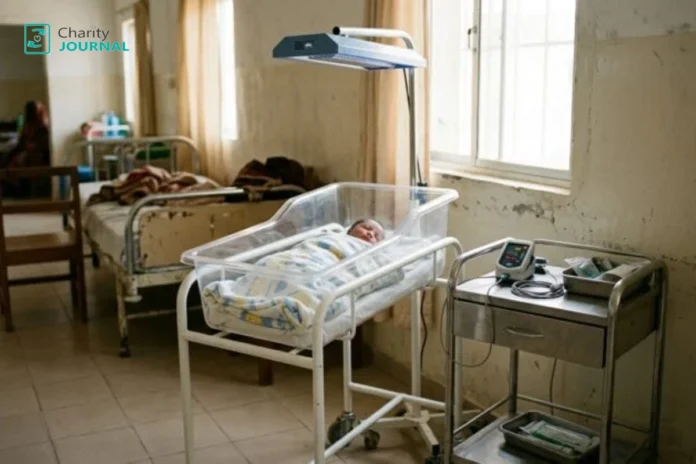

Reduced humanitarian financing has closed 205 Somali health facilities and nutrition sites, cutting essential service coverage by 30 percent, according to an analysis published in Clinical Infection in Practice. Researchers Zakaria Abdi Abdullahi and Mohamed Sharif Abdi warn that the funding contractions threaten both immediate treatment and the preventive systems that protect communities from outbreaks.
What the closures mean for Somali facilities and outbreak tracking
External financing covers a substantial share of national health spending in Somalia, so sudden cuts in donor support translate directly into weaker public health preparedness, the authors say. Closed facilities also disrupt routine disease surveillance, nutritional screening and clinical referral pathways, which leaves health authorities with fewer tools to detect and contain emerging outbreaks.
UNICEF monitoring reported in August 2026 indicates that as many as 618 health facilities could close nationwide under severe funding scenarios. The World Health Organization identifies conflict, climate shocks, displacement and malnutrition as compounding drivers of the crisis, with recurrent cholera, measles and diphtheria outbreaks adding to a burden that major charitable organizations also work to ease through sustained financing.
Immunization gaps leave children exposed
The authors point to Somalia’s 2025 diphtheria resurgence, when health authorities recorded 1,811 suspected cases and 89 deaths by epidemiological week 33. Eighty-seven percent of the affected patients had no documented prior immunization against the disease.
UNICEF estimated in April 2026 that approximately 700,000 children in Somalia had never received a single routine vaccination, which leaves them highly vulnerable to measles, diphtheria and polio. Closing facilities that serve remote, displaced and conflict-affected communities threatens to widen those immunity gaps and to increase the number of people exposed to preventable disease.
Malnutrition adds pressure on a weakened system
Integrated Food Security Phase Classification projections for 2026 show nearly 1.88 million children needing treatment for acute malnutrition, including about 493,000 with severe acute malnutrition. UNICEF reported that admissions to stabilization centers rose by 32 percent in the first six months of 2026, even as preventive and community-based nutrition services were curtailed.
The authors call for protecting funding for primary care, immunization, nutrition and surveillance, and for integrated service delivery rather than isolated programs. Over the longer term, they say, stronger domestic financing and contingency mechanisms are needed to keep facilities open during droughts, displacement and disease outbreaks.