

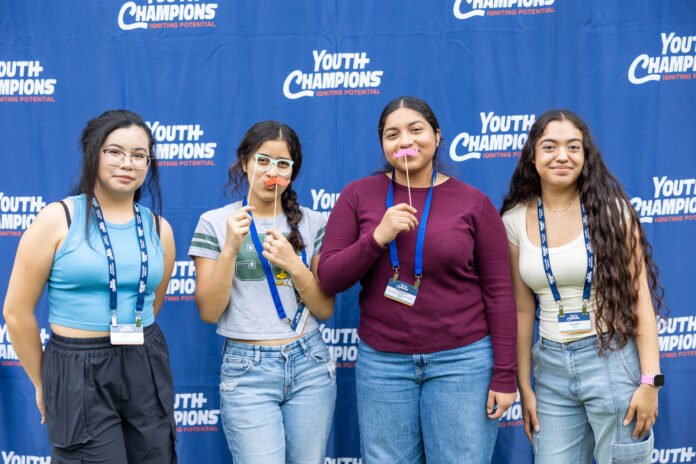

For many Los Angeles teenagers from low-income families, investing in their future can mean giving up income they need today. Youth Champions is betting that paying students to develop professional skills, build networks, and explore career paths can help close an opportunity gap that begins long before college admissions.
The price of preparing for the future
Personal development programs often assume students have the time and financial flexibility to participate. However, LA-based Youth Champions takes a different approach from the conventional methods.
The Los Angeles nonprofit runs a free, 24-week personal development internship for high school students, with participants able to earn up to $1,000 based on their participation and engagement. The payment is designed to make investing in themselves more feasible for students who might otherwise spend those hours working or helping their families.
That matters because the students Youth Champions serves often face responsibilities outside school. Nearly 90% come from low-income households, 83% attend Title I schools, and 79% are the first in their families to pursue higher education or career training.
Since 2017, Youth Champions says it has distributed more than $800,000 directly to students through stipends and scholarships and served more than 1,700 students from over 70 high schools. However, the money is only one side of the coin for Youth Champions.

Youth Champions is closing an exposure gap
The LA-based Youth Champions was created on the simple observation that schools can teach students academic subjects without providing the practical knowledge and professional connections needed to navigate adulthood.
Students from wealthier families can often acquire those advantages outside school. Parents may provide financial guidance, introduce them to professionals, help them prepare for interviews, or connect them with internships.
However, students without those networks can have fewer opportunities to learn the same skills. Youth Champions tries to provide some of that missing exposure through 24 live virtual workshops, six in-person field trips, mentorship and professional connections.
The workshops are deliberately practical. Students work in small cohorts of about 30 and participate in discussions, breakout sessions, exercises, and reflection rather than simply sitting through lectures.
They might practice introducing themselves to a professional, work on a résumé, develop financial goals, prepare for an interview, or consider whether college, trade school, an apprenticeship, entrepreneurship, or the workforce is the right next step.
Youth Champions co-founder Jack Cline told Charity Journal that the objective is not to tell students what success should look like. Rather, it is to give them enough information and exposure to decide for themselves, added Cline.
Paying it forward
Youth Champions’ impact is seen most clearly when former participants begin creating opportunities for others.
Eddy Gonzalez, a Huntington Park native and 2021 graduate of Linda Marquez High School, participated in Youth Champions before attending the University of Southern California on a full-ride scholarship.
At USC Marshall School of Business, Gonzalez studied Business Administration and pursued an interest in finance. He gained experience through summer analyst positions at JPMorgan Asset Management in New York in 2023 and Morgan Stanley in 2024.
After graduating from USC in 2025, he joined Morgan Stanley as an analyst on Wall Street and later moved to Wells Fargo in Los Angeles in 2026. But Gonzalez also returned to Youth Champions.
In January 2024, while still an undergraduate, he became the organization’s alumni representative on its Board of Directors. His involvement gave him a role in shaping the program for students following the path he had taken. Clyne told Charity Journal that the cycle is central to what Youth Champions wants to build.
The nonprofit says students often leave with greater confidence, stronger communication skills and a greater willingness to ask questions, network and advocate for themselves. It also wants them to become more comfortable with failure and rejection and more intentional about their goals, relationships and decisions.
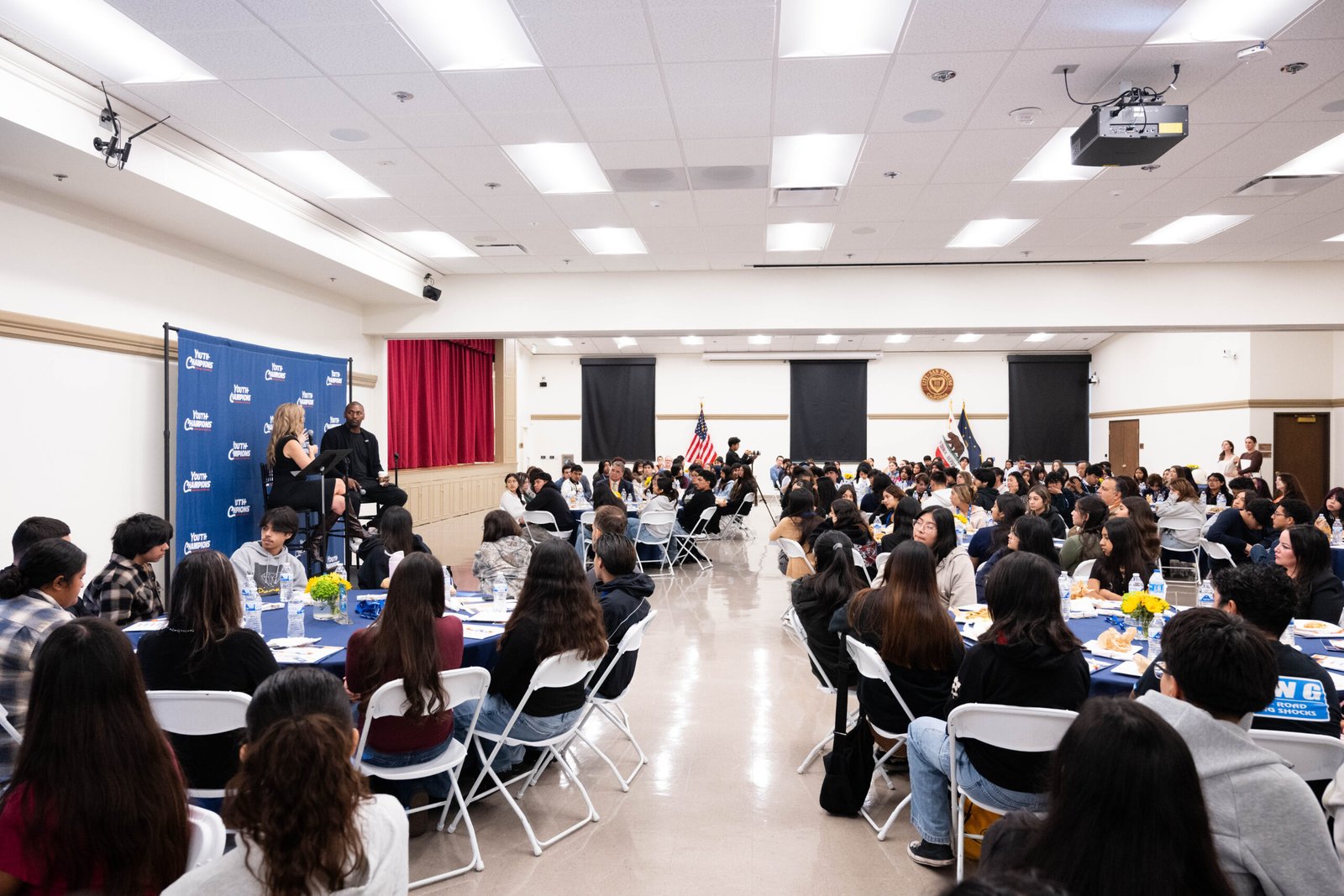
Those changes may be harder to measure than college acceptances or salaries, but they can determine whether students recognize and pursue opportunities when they appear.
Youth Champions now has an Alumni Leadership Institute through which former participants can remain connected to the organization and return as mentors, volunteers, and facilitators. It is also expanding its hands-on programming with a new Entrepreneurship Cohort and a Shark Tank-style pitch competition, where students will develop business ideas and present them to professionals.
The broader lesson behind the model is that opportunity is not only about academic ability. It is also about having the time, money, confidence, information, and relationships to act when an opportunity appears.
By paying teenagers to build those assets, Youth Champions is making sure that a student’s ability to prepare for the future does not depend entirely on what their family can provide.