
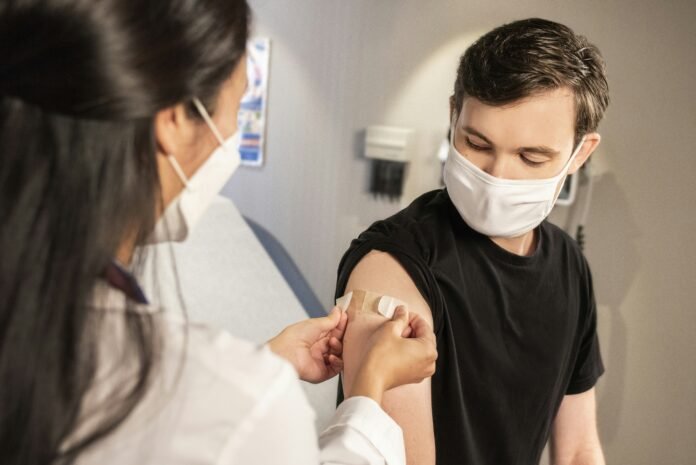

The Gavi Vaccine Alliance has delivered life-saving vaccines to more than 18 million children across 36 countries over the past three years. It has reached over 100 million doses in an effort to reverse pandemic-induced setbacks in global immunisation.
Big Catch-Up reversed pandemic losses and cut zero-dose children by 70%
In a report released on Tuesday, Gavi said the “Big Catch-Up” initiative, launched in 2023, has successfully reduced the number of zero-dose children. This is by nearly 70 percent in participating nations compared to peak pandemic levels.
The alliance described the achievement as a turning point in the fight for vaccine equity. In 2000, nearly half of all children born in lower-income countries missed out on basic vaccines that families in wealthier nations took for granted.
GAVI says the coordinated action by governments, international organisations, the private sector, and civil society made it possible. Over 80 percent of children in those countries now receive protection.
“A child’s chances of succumbing to preventable diseases should not be dictated by where they are born,” Gavi said in the report.
Although COVID-19 disrupted essential health services worldwide, outreach slowed, health workers were stretched thin, supply chains were fractured, and families lost access to routine immunisation. The number of children in lower-income countries missing basic vaccines rose from 9.3 million in 2019 to 12.3 million in 2021.
Additionally, outbreaks of measles, diphtheria, and yellow fever spread as a direct consequence.
GAVI says renewed leadership protected 2.5 million children from deadly diseases
In response, Gavi and global health partners launched the Big Catch-Up in 2023. Thirty-six countries representing 60 percent of the world’s zero-dose children participated in the historic push.
Ethiopia, one of the five nations with the highest number of zero-dose children globally, exemplifies the campaign’s impact. The pandemic had compounded existing challenges, and natural disasters and conflict had kept vaccine coverage stagnant from 2012 to 2019.
But in 2024, Ethiopia received supplementary vaccines from Gavi and launched its national catch-up campaign. The real breakthrough came in February 2025, when the Ministry of Health and partners reignited the effort with renewed leadership and strengthened local implementation.
Ethiopia’s Ministry of Health has reached nearly 70 percent of children who missed their first dose of diphtheria, pertussis, and tetanus.
Gavi acknowledged that reaching the remaining “zero-dose” children remains the alliance’s toughest challenge. Many of these children live in conflict zones, remote geographies, or urban slums next to hospitals but face barriers.
“Because immunisation coverage is higher than any other health intervention, a community missing vaccines is likely to be systematically missed by the health system as a whole,” Gavi noted.
In a recent development, the global vaccine alliance GAVI has warned that the unregulated wildlife trade of animals significantly increases the risk of future pandemics. GAVI’s new study confirms that traded mammals are more than 40 percent more likely to carry diseases that infect humans.