

Doctors Without Borders (MSF) has uncovered a pattern of sexual exploitation and abuse by some of its staff working in refugee camps along Chad’s border with Sudan, including allegations that aid workers exchanged food, jobs, and other assistance for sex. Meanwhile, the MSF investigation found signs that some of the abuse may have been systematic, raising fresh concerns about accountability in humanitarian operations serving people displaced by war.
MSF investigation uncovers widespread abuse
The findings emerged from a confidential internal report completed in July after Doctors Without Borders, also known as MSF, launched an investigation into allegations first reported by The Associated Press (AP). While the report is not yet publicly available, an AP exclusive beamed a searchlight on the details of the investigation.
The MSF investigation documented 59 allegations of misconduct ranging from sexual harassment to sexual exploitation and abuse. As a result, MSF dismissed 18 staff members and barred them from future employment with the organization.
According to the report, some staff exploited the extreme vulnerability of Sudanese refugees and residents living in camps in eastern Chad. Investigators found cases in which workers allegedly exchanged food, water, milk, cash assistance, and employment opportunities for sex.
The report also identified allegations involving underage girls. In one case, investigators examined claims that seven refugee girls hired as daily workers were transported in an MSF vehicle and later exposed to sexual abuse and requests for sex.
Additionally, investigators found evidence that some female Chadian employees faced pressure from supervisors or colleagues who threatened their jobs if they refused sexual advances.
MSF said some allegations could not be verified because of the scale of the humanitarian emergency and the movement of people across camps. However, the organization acknowledged that the findings represented a serious breach of its values and responsibilities.
The MSF investigation report also concluded that many victims never came forward. Women told investigators they feared losing access to assistance, employment, or healthcare if they reported abuse. Community leaders similarly said families often chose silence despite knowing that relatives had been victimized.
Refugee crisis created conditions for exploitation
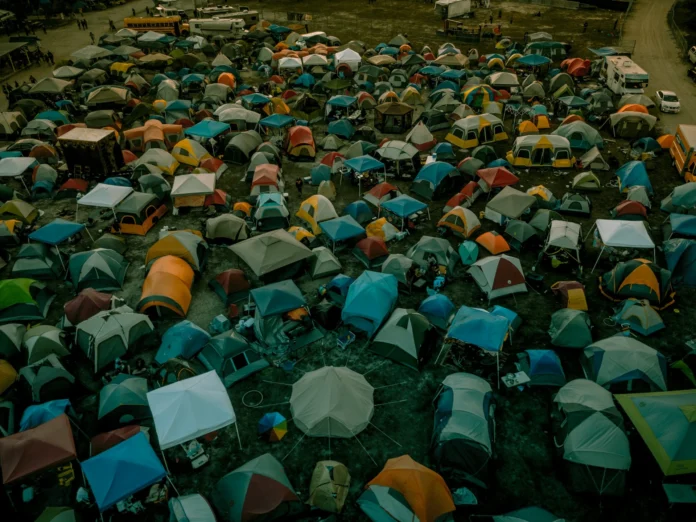
The abuse occurred in eastern Chad, where hundreds of thousands of people have fled Sudan’s civil war since fighting erupted between the Sudanese Armed Forces and the Rapid Support Forces in April 2023.
MSF is one of the largest humanitarian organizations operating in the region and employs thousands of local and international staff to provide healthcare and emergency assistance.
The report found that urgent recruitment needs, weak reference-checking systems, and high staff turnover contributed to failures in oversight. Investigators also determined that several reporting mechanisms, including complaint boxes, proved largely ineffective.
Furthermore, the report suggested that repeated patterns of exploitation in some locations raised concerns about potentially organized sexual trafficking networks operating around refugee settlements.
MSF acknowledged that previous safeguarding efforts failed to produce lasting change. The organization said training programs conducted in 2023 lost effectiveness over time as personnel rotated in and out of emergency operations.
Since completing the investigation, MSF says it has strengthened recruitment procedures, expanded background checks, and improved confidential reporting channels. Nevertheless, the organization admitted that significant work remains to prevent future abuse.
Meanwhile, UN Watch has urged MSF to publish the report of its internal investigation and compensate victims of the abuse. Others are pushing for an independent investigation to unearth the scale of the abuse.
We call on Tirana Hassan of Doctors Without Borders @MSF_USA to act immediately against MSF staff sexually exploiting underage refugee girls in Chad.
• Order full independent investigation
• Fire every abuser and enabler
• Compensate the victims
•.Publish the internal report https://t.co/zdlYV0wXGp— UN Watch (@UNWatch) June 13, 2026
Findings echo previous aid-sector scandals
The Chad investigation is not the first time humanitarian organizations have confronted allegations of sexual exploitation during major emergencies.
In its report, MSF noted that similar concerns emerged during the 2021 Ebola response in the Democratic Republic of the Congo. Investigations there found that aid workers employed by multiple organizations exploited women who sought jobs connected to the response effort.
Earlier scandals also surfaced in West Africa, where reports linked aid workers and peacekeepers to sexual exploitation during humanitarian crises.
The Chad findings are particularly significant because MSF had already invested additional resources in safeguarding and prevention measures before the allegations emerged. Even so, investigators concluded that abuse persisted and likely went underreported.