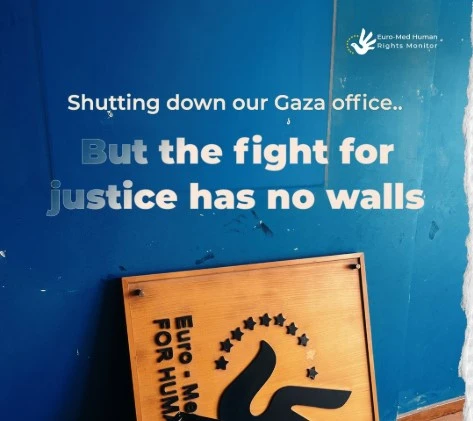

Human rights organization Euro-Med Monitor has shut down its operations in Gaza, citing restrictions on staff and deteriorating conditions for its personnel. The closure comes after months of escalating confrontation between the group and Israeli authorities over allegations of Hamas affiliations, travel bans, and criticism of the organization’s reporting.
Euro-Med says staff safety and operational pressure forced closure
Euro-Med Monitor announced the suspension of its Gaza operations in a statement posted on X, saying the decision followed increasing pressure on the organization and its staff. The group did not immediately specify how long the closure would last, but described the move as a response to what it characterized as an unsafe and untenable operating environment.
The organization has been active in documenting alleged human rights violations and humanitarian conditions during the war in Gaza. For 15 years, it has published casualty estimates, field testimonies, and legal analyses related to Israeli military operations and the broader humanitarian crisis.
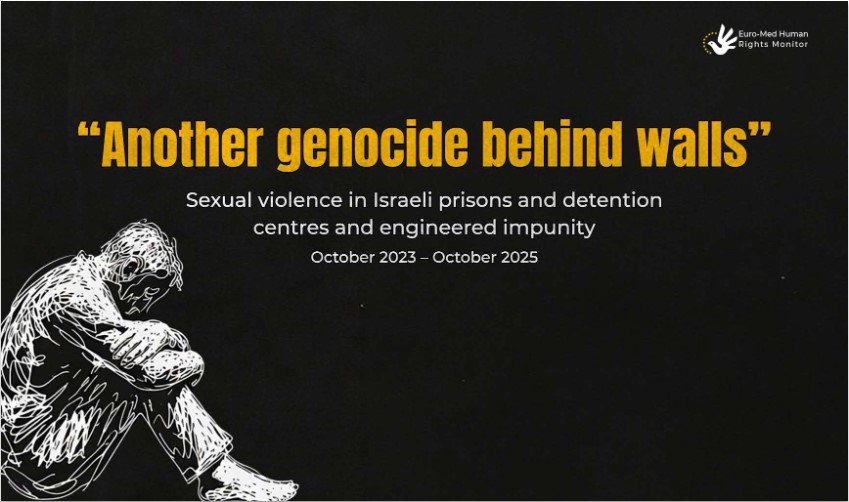
However, the group’s relationship with Israeli authorities has sharply deteriorated over the past year. Per the announcement on X, Israel heightened its clampdown on the human rights organization following the publication of a report documenting sexual violence against Palestinians.
In December 2025, Israel barred 40 Euro-Med Monitor staff members from entering the country, accusing the organization of anti-Israel activity and ties to extremist groups, allegations the organization rejected.
The dispute intensified further in March, when former UN Special Rapporteur Richard Falk published an open letter condemning what he described as escalating Israeli attacks on Euro-Med Monitor and its staff. Falk, who doubles as Chairman of Euro-Med’s Board of Trustees, argued that the pressure campaign threatened the work of independent human rights monitoring during wartime.
🧵For 15 years, our #Gaza office documented violations and amplified victims’ voices and testimonies.
Today, escalating Israeli threats and punitive measures have compelled us to close that physical space.
But the work does not end with a building. Our mission continues. pic.twitter.com/l6b8kylGaO
— Euro-Med Monitor (@EuroMedHR) June 14, 2026
A broader struggle over access and accountability
Euro-Med Monitor’s shutdown reflects a wider battle over who can document events in Gaza and under what conditions. Human rights organizations, journalists, and humanitarian agencies have repeatedly warned that restrictions on movement, communications, and access are making independent reporting increasingly difficult.
The organization’s Gaza office had served as a key hub for collecting testimonies and coordinating field investigations. Consequently, its closure may further limit outside visibility into conditions on the ground, especially as international reporters face restricted access to the territory.
At the same time, critics of Euro-Med Monitor argue that the group’s reporting lacks neutrality and amplifies unverified claims against Israel. Israeli officials and pro-Israel advocates have accused some rights organizations of political bias and of failing to adequately scrutinize Hamas abuses.
Those accusations have become part of a broader campaign against UN agencies and nongovernmental organizations operating in Gaza, including UNRWA and several international aid groups. Humanitarian organizations say such pressure risks undermining independent monitoring and civilian protection efforts.
Euro-Med Monitor has denied allegations of extremism or organizational misconduct and says its work is grounded in international human rights law and field documentation.
The suspension of operations also raises concerns about the shrinking space for civil society groups working on Gaza-related issues. Last week, a coalition of 20 countries warned that attacks on aid workers and restrictions on NGOs are making humanitarian and accountability work more difficult across the region.