


Blueyou has launched a Fair Trade Certified tuna program in the Maldives, partnering with 25 island communities across eight atolls to channel $700,000 in development funds to approximately 30,000 people. René Benguerel, co-founder and CEO of Blueyou, told Charity Journal that the program addresses social risks buried deep within supply chains that consumers rarely see.
Fair Trade comes to seafood
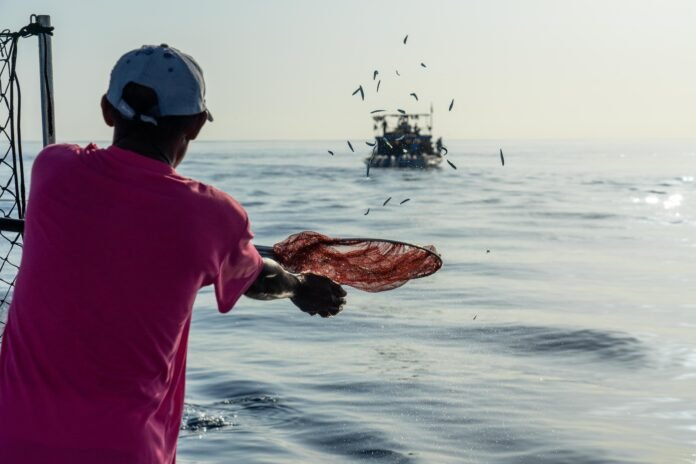
The program covers 2,500 tuna fishers harvesting skipjack and yellowfin using traditional pole-and-line methods, widely considered the most environmentally responsible fishing technique available. At full scale, the program targets 200 fishing vessels with an annual catch capacity of 20,000 metric tons, roughly 20% of the Maldives’ total annual catch.
Speaking with Charity Journal, Benguerel underscored the scale of the program. The $700,000 in Fair Trade Community Development Funds flows directly from that catch volume, with Fair Trade Committees in each island community deciding independently how to spend the premiums.
Previous rounds of Fair Trade funding in the Maldives went toward water purifiers on fishing vessels and improved drinking water stations. Furthermore, a significant chunk funded plastic waste reduction, giving communities control over priorities that governments and NGOs often decide for them.
Blueyou’s relationship with the Maldives runs deeper than this announcement. The company previously partnered with Horizon Fisheries and Fair Trade USA on the world’s first dual-certified seafood product, combining Marine Stewardship Council and Fair Trade labels.
Meanwhile, the new initiative scales that foundation significantly, from a handful of island communities to 25 across eight atolls.
“Fair Trade matters not only for coffee and bananas, but also for seafood producers,” said Benguerel. “Our program helps seafood buyers mitigate social risks, which remain a major challenge in the global tuna industry.”
Prioritizing women under the Fair Trade Certified tuna program
The Blueyou initiative pairs the tuna fisheries component with a restorative mariculture program involving 500 women engaged in sea cucumber farming alongside seagrass conservation.
Benguerel clarified to Charity Journal that the two programs serve distinct ecological purposes. According to the Blueyou CEO, Tuna is a fully pelagic resource with no direct interaction with seagrass.
The mariculture component exists for diversification, social inclusion, and resilience, giving women in island communities new income streams through nature-positive activity while improving conservation of valuable coastal habitats.
The program organizes women harvesters into Fair Trade Committees, giving them a formal governance role rather than treating them as passive beneficiaries. Benguerel also disclosed plans to pilot a program with Conservation International to create livelihoods for women in tanning fish skins into leather products for sale to resort tourists, adding another value stream from the blue food economy.
“By combining Fair Trade value chains with climate-smart restorative mariculture, we are creating new income opportunities while protecting the ecosystems that coastal communities depend on,” said Shakir Mohamed, Blueyou’s program manager in the Maldives.
Blueyou wants to decarbonize the supply chain
The Fair Trade Certified tuna program will also pilot a solar-powered ice plant to reduce the carbon footprint of seafood processing.
Ice represents one of the largest contributors to emissions in canned tuna production, alongside vessel fuel, with the pilot testing whether solar infrastructure can replace it economically. If viable, Benguerel told Charity Journal that Blueyou plans to build an investor-backed program to decarbonize the entire fleet of participating vessels.
Meanwhile, multiple investigations have exposed the scale of labor abuse in the global tuna supply chain. Documented findings noted that fishermen working for suppliers to major supermarket brands faced beatings, excessive hours, and forced labor conditions at sea.
Blueyou’s model runs in the opposite direction, with pole-and-line fishing, transparent supply chains, community governance, and Fair Trade premiums flowing back to the people catching the fish.
The five-year target of 500 freight containers of Fair Trade Certified canned tuna destined for retail markets in Europe and North America puts that model to a commercial test. Distribution partnerships with followfood in Europe and Arkk Food in the United States will give the Blueyou program shelf presence.