
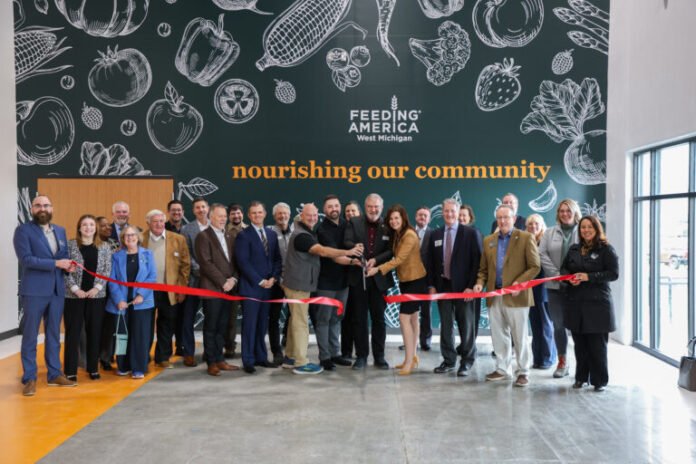

Feeding America is one of the largest hunger-relief organizations in the United States, operating a nationwide network of food banks that collectively serve millions of people facing food insecurity. The organization focuses on large-scale food sourcing, redistribution, and coordination with local food banks across all 50 states.
Charity Journal ratings are independent assessments based on publicly available data. Organisations may submit corrections to our editorial team.
Here’s why Feeding America earned a high rating
Transparency: A− (90/100)
Feeding America maintains strong transparency through audited financial statements, annual reports, and IRS Form 990 filings made publicly available. These disclosures provide insight into national program spending, governance structure, and large-scale food distribution operations across its network of partner food banks.
Financial Health: A− (88/100)
According to its most recent IRS Form 990 filings, Feeding America reports annual revenue exceeding $5 billion, driven primarily by corporate contributions, institutional grants, and philanthropic donations. Expenses closely track revenue due to the scale of nationwide food distribution, resulting in a slight operational deficit in the most recent reporting period. Despite this, the organization maintains strong net assets exceeding $500 million, supported by diversified funding streams that reduce financial dependence on any single donor category.
Impact & Effectiveness: A (95/100)
Feeding America operates one of the largest hunger-relief systems in the United States, distributing millions of meals annually through a coordinated network of food banks and partner agencies. Meanwhile, its supply chain model focuses on recovering surplus food from retailers, farms, and manufacturers and redistributing it into communities experiencing food insecurity. This model enables large-scale impact across all 50 states.
Governance: A− (89/100)
The organization operates a centralized coordination structure overseeing a decentralized network of regional food banks. This model strengthens national alignment and resource distribution while allowing local agencies to manage direct service delivery. However, decentralization introduces some variability in execution and reporting quality across regions.
Accountability: A− (87/100)
Feeding America enforces standardized reporting requirements across its member food banks and publishes audited financial statements at the national level. While oversight is strong at the organizational level, the distributed structure means local-level impact reporting can vary in consistency.
Community Trust: A (94/100)
Feeding America maintains strong public trust through deep partnerships with major retailers, corporate sponsors, and thousands of local food banks. Furthermore, its role as the central coordinating body for hunger relief in the United States reinforces sustained donor confidence and widespread recognition.
What donors should consider before giving to Feeding America
- A decentralized structure can create variation in how impact is delivered and reported across regions
- Direct local-level outcomes are harder to track compared to smaller, single-site nonprofits
- Heavy reliance on corporate partnerships and large institutional donors for food sourcing
- Furthermore, its operational scale can make the organization feel less “direct” for donors seeking a highly visible individual impact
Final Verdict for Feeding America
Feeding America is a highly effective national hunger relief organization with strong financial foundations, extensive operational infrastructure, and sustained public trust. While its decentralized model introduces some variability in local execution, its scale and efficiency make it one of the most impactful food security organizations in the United States.