

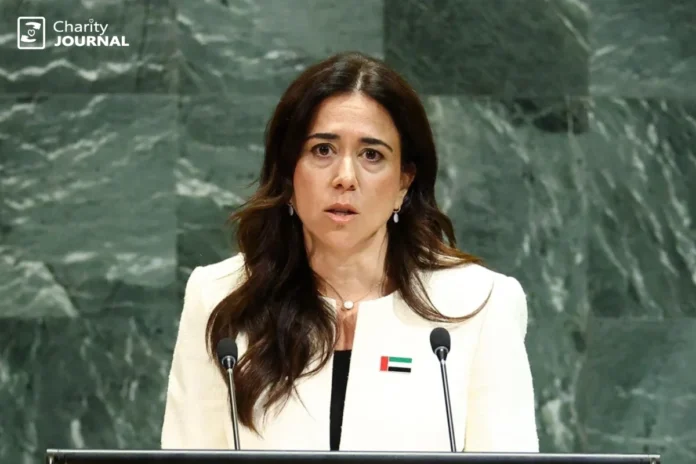

Emirati diplomat Lana Nusseibeh entered the race for UN secretary-general, adding a prominent Middle Eastern candidate to a contest that has struggled to produce a consensus choice. The United Arab Emirates then formally nominated her, a move that could shift a Security Council vote that has already failed six times.
Nominee brings a decade of UN experience
Nusseibeh, 48, serves as the UAE minister of state for foreign affairs and previously represented her country as ambassador to the United Nations from 2013 to 2024. UAE President Mohammed bin Zayed submitted her nomination in a letter to the heads of the General Assembly and the Security Council.
She told Reuters that several countries approached her to run during the last General Assembly, and she said she wants the world body to take a more active role in resolving crises. That pitch arrives as UN bodies face scrutiny of their own, including UNRWA’s recent staff dismissals.
Her record includes championing Abu Dhabi’s assertive foreign policy and its heavy focus on countering political Islam. She would also become the first woman to lead the UN, though she said gender is not the basis of her campaign.
“I’m not running because I’m a woman.”
Deadlock tests the path to a new UN secretary general
Six rounds of voting in the Security Council have failed to produce a candidate acceptable to all five permanent members, and the Trump administration reportedly opposed all seven earlier contenders, according to The Times of Israel. Costa Rica’s Rebeca Grynspan, who heads the UN trade and development body, led earlier straw polls, while Rafael Grossi of the IAEA and Guyana’s UN envoy Carolyn Rodrigues Birkett also drew support.
However, an informal regional rotation points to Latin America or the Caribbean for the next term. Elsewhere in the UN system, agencies keep pursuing field programs, such as UNDP’s Gaza recovery work.
Nusseibeh would also become the second Arab to hold the post after Boutros Boutros Ghali, in a job that nine men have filled since the UN began in 1945. Her bid now faces the decisive test of a Security Council vote, and with António Guterres’s term ending in December, the council has limited time to settle on a successor.