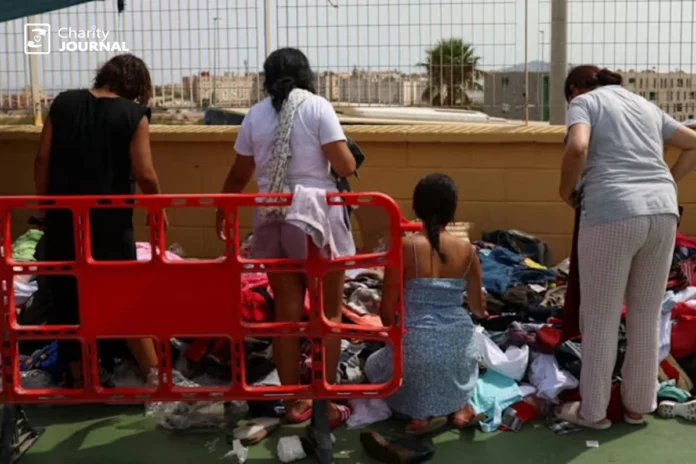

More than one million women and girls have lost access to critical support since January 2025, according to a UN Women report, and the International Organization for Migration warned that migrant and displaced women are among those cut off from the shelters, clinics and services they need to escape violence. IOM Director General Amy Pope noted at the start of the 16 Days of Activism against Gender-Based Violence, saying the closures decide whether survivors can reach safety.
Why shelter closures leave displaced women without a way out
IOM says aid cuts are forcing shelters, clinics and support services to close, which removes the options that women and girls rely on when they try to leave abusive situations. Pope described how control over a woman’s life can take the form of a confiscated passport, withheld wages or being blocked from health care, shelter and legal help.
“When a woman’s passport has been taken and her wages are controlled, a shelter or a hotline may be her only way out. When that shelter closes or that hotline goes silent, she has nowhere left to turn.”
IOM argues that denying or controlling access to resources and services can itself be a form of gender-based violence. Each form of control makes it harder for women to seek protection or make their own decisions.
Aid cuts strain services across the humanitarian system
The UN Women report, published in July, found that 84 percent of women-led organizations in crisis settings reported rising demand for their services. Nearly nine in ten of those organizations said they could no longer meet current needs, and IOM says it is seeing the same trend in its own operations.
UN Women Afghanistan said on Nov. 25 that more than 193 service points for survivors of violence have closed there this year, affecting over one million women and girls. The strain extends across a sector in which nonprofits providing disaster relief around the world depend on the same pool of donor funding.
“These cuts are not numbers on a spreadsheet. They decide whether a woman can escape violence or not. We cannot accept that,” Pope said.
Barriers that persist in transit and after return
Migrant women and girls often face overlapping discrimination that restricts their access to health care, psychosocial support, shelter, justice and work in transit and destination countries. Those barriers can continue after return, when women may face stigma, restrictive social norms and a lack of information about their rights.
In 2025, IOM partnered with 45 women-led organizations across 11 countries to deliver survivor-centered services and strengthen protection in humanitarian settings. Supporters who want to back such work can check how a charity operates before they donate.
IOM calls on donors to protect funding for gender-based violence prevention and response, and on governments and communities to remove the barriers that let others control women’s access to services. The 16 Days of Activism run through Dec. 10.