

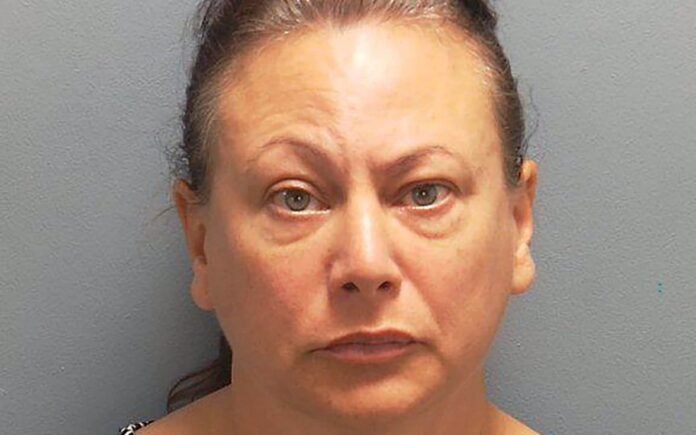

A Portsmouth charity worker has been sentenced to two years in prison after fabricating a cancer diagnosis to avoid work and forging references to secure her position. Claire Alderton, 48, pleaded guilty at Portsmouth Crown Court to fraud by false representation against George’s Rockstars, a music therapy charity founded in memory of a child who died of leukemia.
A trail of deception inside a grief-founded charity
Alderton joined George’s Rockstars in June 2024 as a trusts and foundations fundraiser after submitting two fake references, including forged emails from people who later confirmed they had never written them. During her employment, she falsely told the charity she had submitted grant applications as part of her role, when no such applications had ever been made.
In December 2024, Alderton told her employer she had received a cancer diagnosis and stopped attending work entirely. She then cut off all contact with the charity, leaving its leadership to unravel the fraud independently.
The deception came to light when the charity contacted a funding organization Alderton claimed to have secured a grant from and found no record of any application. Staff then tracked down her listed referees through LinkedIn, who confirmed the references and emails were fabricated. Donors and supporters looking to understand how to protect themselves from similar internal risks can find useful guidance in Charity Journal’s breakdown of how to verify a charity before donating.
Charity worker’s fraud called “emotionally devastating” by founder
Amy O’Shaughnessy, who co-founded George’s Rockstars after losing her son George to leukemia in 2019, described the fraud as a profound breach of trust.
“To target charities, secure employment through deception, and fabricate a cancer diagnosis to the mother and founder of an organisation established in memory of a child who bravely fought that very disease is truly abhorrent,” O’Shaughnessy said.
“Furthermore, to falsify funding applications meant to support seriously ill children in hospitals is a profound betrayal of public trust. Personally, uncovering the sheer depth of these lies has been emotionally devastating.”
PC Emma Thomas of Hampshire and Isle of Wight Constabulary’s Central Fraud Unit welcomed the sentence.
“To knowingly and purposefully target the charity sector for personal gain is an appalling crime. Her actions have caused both financial and emotional suffering,” Thomas said.
The case reflects a broader pattern of internal fraud risks facing small charities, a concern that sector observers have raised alongside wider questions about misconduct within aid and nonprofit organizations. O’Shaughnessy said the charity had fought hard to ensure its services to children and families remained uninterrupted despite the gravity of the deception.