

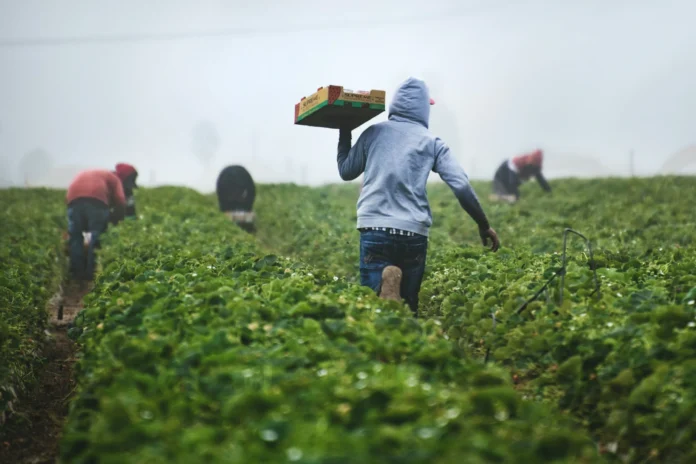

Shekinah Farms Incorporated, a Delaware-registered nonprofit empowering smallholder farmers in the Northwest and Southwest regions of Cameroon, has shifted its core mission from boosting crop yields to preventing postharvest losses. Priscilla Vega, Founder and Executive Director of Shekinah Farms, disclosed that years of working directly with farmers revealed that the biggest threat to their prosperity was not low production but the food disappearing between the farm and the table.
Shekinah Farms is protecting farmers from post-harvest losses
Shekinah Farms has moved its Protect the Harvest campaign from concept into pilot implementation, deploying solar-powered preservation systems and community-scale infrastructure designed to stop food loss before it happens.
The campaign marks a deliberate strategic pivot for an organization that spent its first three years training farmers in regenerative and climate-smart agriculture across conflict-affected communities in Cameroon’s Northwest and Southwest regions.
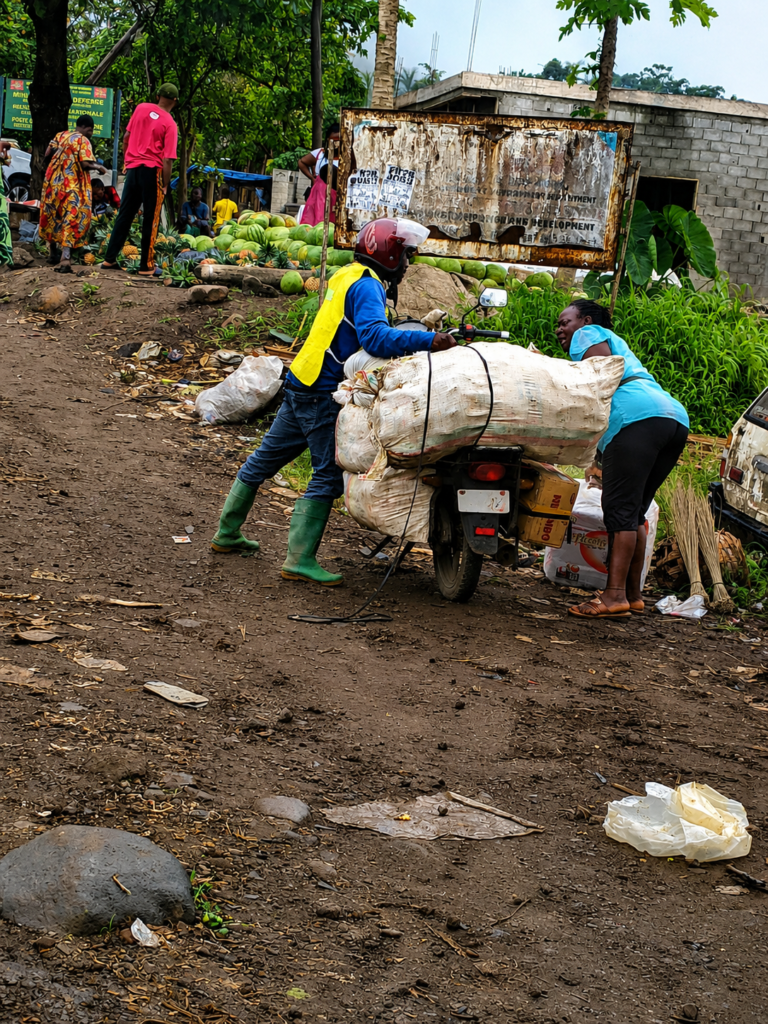
The Food and Agriculture Organization (FAO) estimates that up to 40% of crops are lost in Cameroon, particularly fruits, vegetables, and tubers, with losses occurring across every stage of the value chain from harvest to market. Those losses stem from poor handling practices, inadequate transport infrastructure, the absence of cold storage, and climate pressures that accelerate spoilage in rural areas.
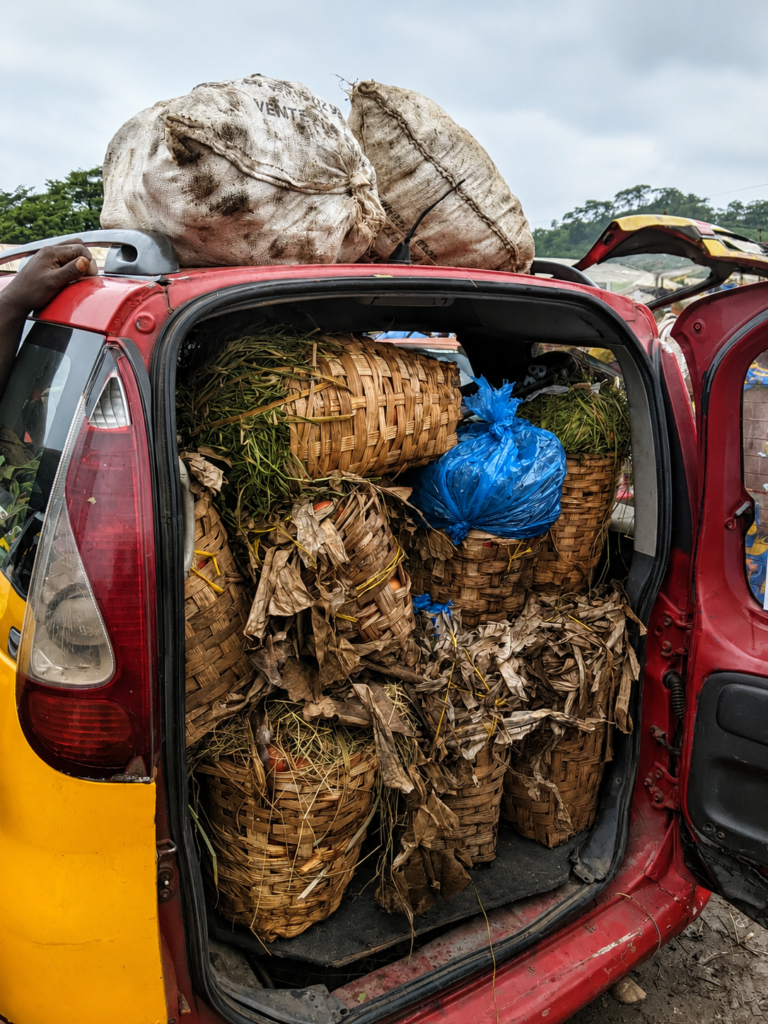
Post-harvest food loss costs smallholder farmers at least 15% of their annual harvest value globally, a figure that translates directly into reduced food availability, lower incomes, and worsened nutrition for the communities Shekinah Farms serves.
Vega’s path into agriculture began during the COVID-19 pandemic, when she witnessed firsthand the survival pressures farmers in Nso, Bui Division, in the Northwest region faced. She founded Shekinah Farms in 2022 on the philosophy that smallholder farmers need systems, not charity, grounding the organization in training, cooperative solidarity, and market access from the start.
“We realized that the real threat to farmer prosperity and food security is not only low production. It is post-harvest loss, the silent thief in the food system,” said the Shekinah Farms team.
Engineering the solution
Vega spent more than fifteen years in cybersecurity before turning to agriculture, and that background shapes how Shekinah Farms diagnoses the problem. The rural food value chain, viewed through an engineer’s lens, looks like a network with a critical vulnerability underscored by abundant solar energy, productive farmers, and crops that spoil before reaching consumers given a lack of preservative systems.
The organization’s Nutri-Hub model integrates solar energy, preservation technology, and digital monitoring into a single infrastructure unit built for rural communities. Sensors track temperature and storage conditions in real time, allowing the system to reduce spoilage in ways that manual monitoring cannot achieve.
Shekinah Farms describes the first Nutri-Hubs as a beta phase, a term borrowed from technology deliberately to signal that what it builds is meant to be tested, refined, and eventually replicated.
The conflict backdrop in the Northwest and Southwest regions, where the Anglophone Crisis has disrupted farming communities for years, adds a layer of urgency to the preservation argument. Farmers in conflict-affected zones face compounded risks, including reduced access to markets and the constant threat that a harvest they have managed to grow will be lost before it reaches anyone.
Those who want to support the mission can get involved through shekinahfarms.org. For an organization operating at the intersection of food security, rural livelihoods, and conflict resilience in one of Sub-Saharan Africa’s most challenging environments, the pivot from growing more to losing less may prove to be its most consequential decision yet.